Impact-Resistant Gloves: What ANSI/ISEA 138 Ratings Tell Buyers
A glove can resist cuts and still leave a different question unanswered: how does it perform when something strikes the back of the hand?
For workers handling tools, components and heavy materials, impact-resistant gloves may form part of the hand-protection specification. However, raised padding and a rugged appearance do not establish a performance level. Buyers need documented ratings, suitable coverage and a clear understanding of the task.
ANSI/ISEA 138 provides a way to compare back-of-hand impact performance. Here is what its ratings tell you, and what still needs checking.
Start With the Hazard
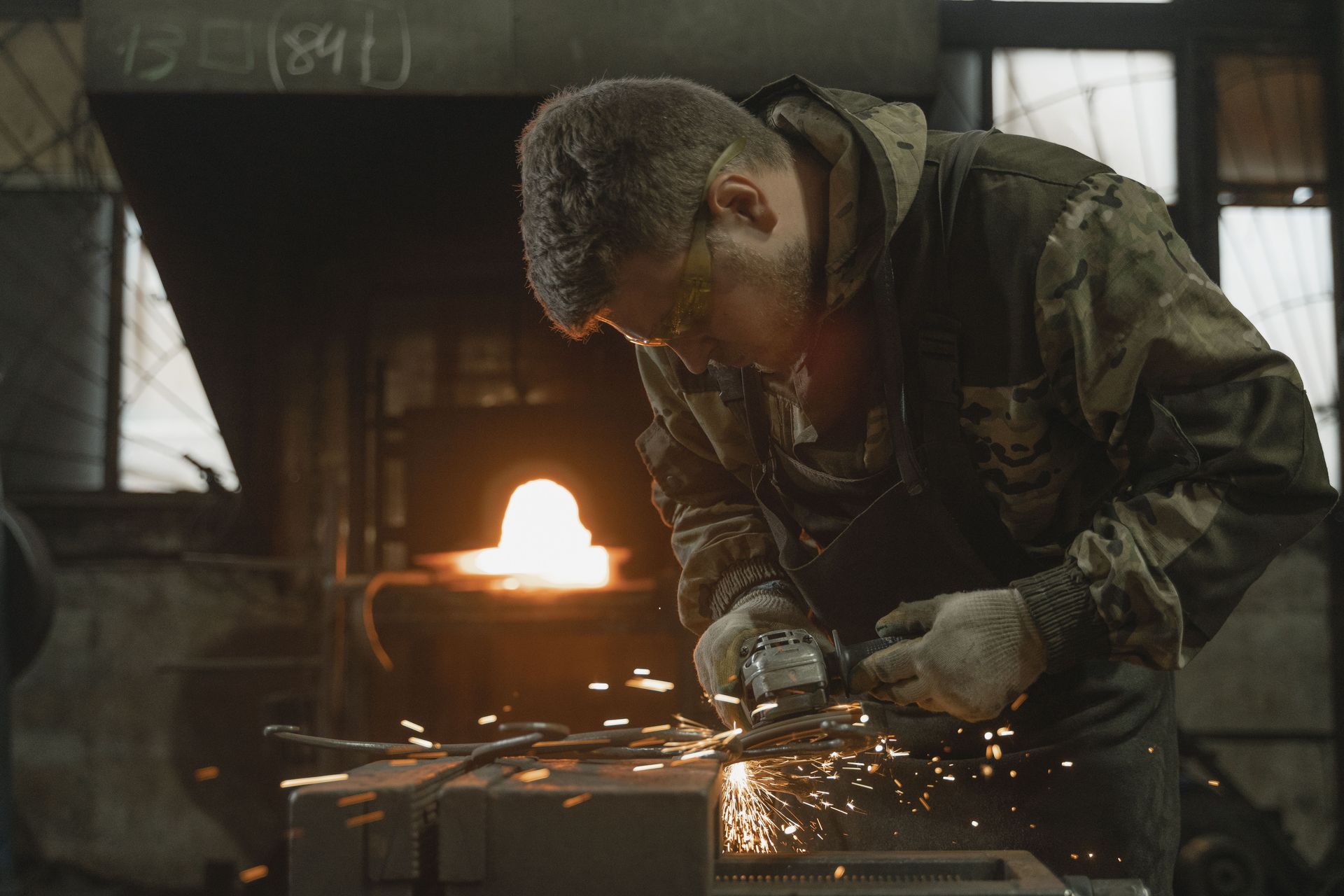
Identify where hands could be struck and what could cause the contact. Review the worker's hand positions, the movement of materials and any opportunities to keep hands away from the hazard.
Prioritize controls that reduce exposure, such as securing materials, improving handling methods and using suitable fixtures. Gloves support those controls.
Our workplace glove-selection guide explains how to assess the broader combination of hazards before choosing hand protection.
What Does ANSI/ISEA 138 Test?
ANSI/ISEA 138-2019 establishes performance, classification and marking requirements for gloves designed to protect the knuckles and fingers from impact.
Testing evaluates the knuckle and finger/thumb regions using controlled strikes with an impact energy of 5 joules. Equipment measures the force transmitted through the protective material.
Lower transmitted force means better impact attenuation under those test conditions. The overall classification follows the poorer-performing tested region; strong knuckle results do not cancel weaker finger/thumb performance.
This is a laboratory comparison. It does not reproduce every object shape, contact angle or workplace incident.
Understanding Levels 1, 2 and 3
The standard has three impact-protection levels. Level 1 is the lowest classification and Level 3 is the highest.
Performance levelMaximum mean transmitted forceLevel 19.0 kNLevel 26.5 kNLevel 34.0 kN
A kilonewton, abbreviated kN, is a unit of force. These are laboratory classification limits, not allowable loads on a worker's hand. Individual-impact limits and the standard's other requirements also apply.
Select the required level through the hazard assessment. A Level 3 rating alone does not establish that a glove is suitable for every task.
Impact Protection and Cut Resistance Are Separate
Cut resistance concerns a different mechanism of injury. A glove's ANSI/ISEA 105-2024 cut classification does not establish its ANSI/ISEA 138 impact level, and an impact rating does not establish cut resistance.
For example, a glove documented as cut Level A4 and impact Level 2 has two separate classifications. A4 is not a higher or lower version of impact Level 2. Confirm each requirement independently against the task.
For a task involving sharp components and back-of-hand impacts, check both properties on the finished glove. Also assess abrasion, puncture, grip and any thermal or chemical requirements separately.
Likewise, an EN 388 impact pass marked “P” should not be treated as an equivalent ANSI/ISEA 138 level. The standards differ in test coverage and classification.
Check Documentation, Coverage and Fit
Ask for the exact product code, claimed standard edition, performance level and supporting test information. Confirm that the documentation matches the glove being supplied. A general description such as “metacarpal protection” does not replace a documented impact classification.
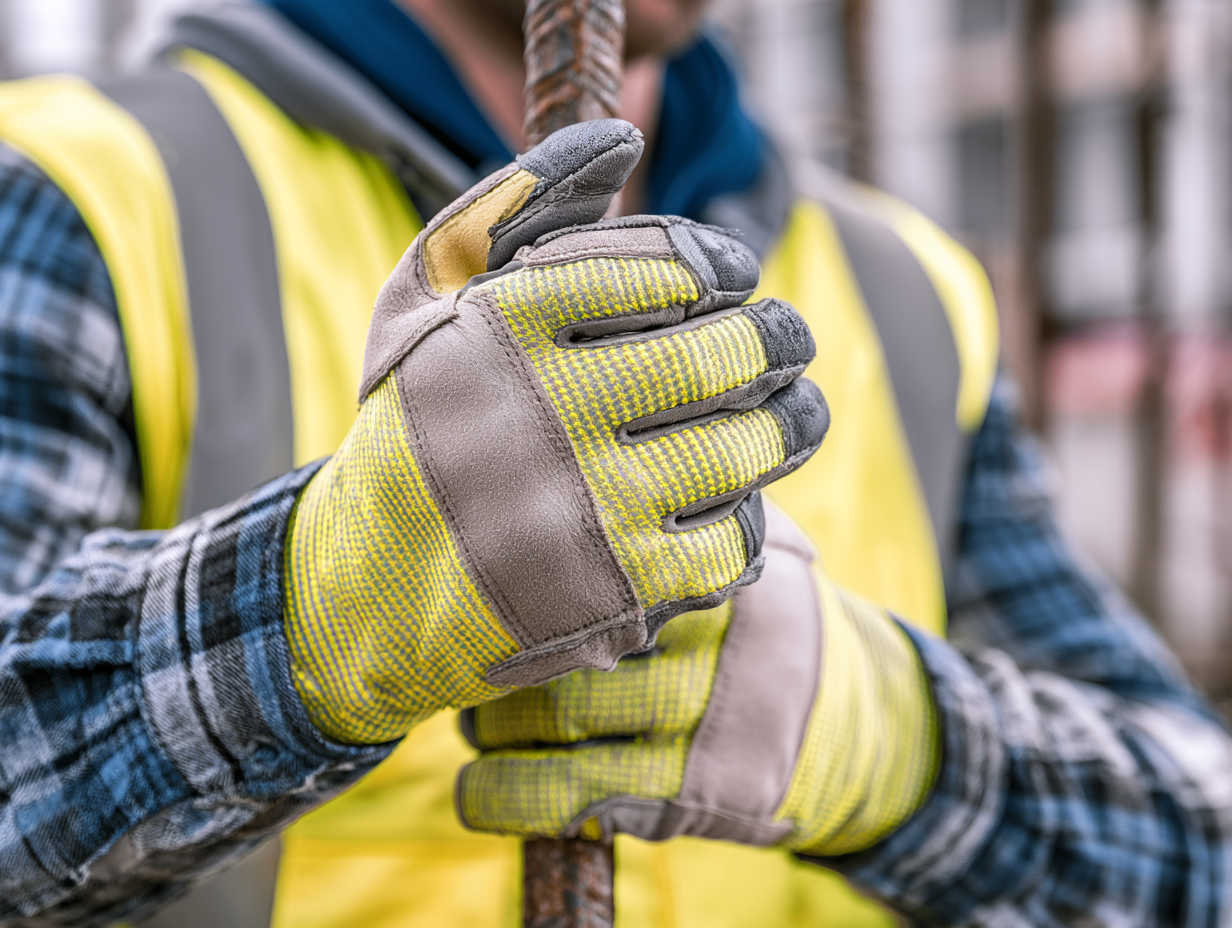
Review how the protective elements cover the knuckles, fingers and thumb when the worker grips a tool or bends the hand. Check sizing, cuff compatibility and whether the glove permits secure handling.
Trial approved options with representative workers under controlled conditions. Record grip, dexterity, comfort and any movement of protective elements. Never test protection by deliberately striking a worker's hand.
Use Stalwart's PPE purchasing checklist to document requirements, supporting information and substitution decisions.
Understand the Limits Before Ordering
Impact-resistant gloves do not make hands crush-proof. A rating does not establish protection against sustained compression, machinery entrapment or every pinch-point exposure.
Follow equipment-specific procedures and glove-use restrictions. Gloves can create an entanglement hazard around some rotating machinery, so adding impact padding does not make glove use appropriate there.
Inspect protective elements, seams and coatings, and follow the manufacturer's cleaning and replacement instructions. Reassess the selection when the task changes or workers report problems.
Stalwart Safety's Specialty Gloves range includes metacarpal-protection options. Bring your task details, required classifications and fit requirements to our team so we can help you evaluate relevant models and their documentation before ordering.