Winter Work Gloves: How to Balance Warmth, Grip and Cut Protection
Cold hands can make everyday work harder. Handling fasteners, gripping tools and moving materials all become more difficult when fingers lose warmth and control. For Canadian workplaces, winter hand protection needs to account for snow, wind, wet surfaces and changing activity levels.
The right winter work gloves balance insulation with the grip, dexterity and documented protection the job requires. That applies to outdoor crews and workers in refrigerated warehouses or cold storage.
Start With the Task and Conditions
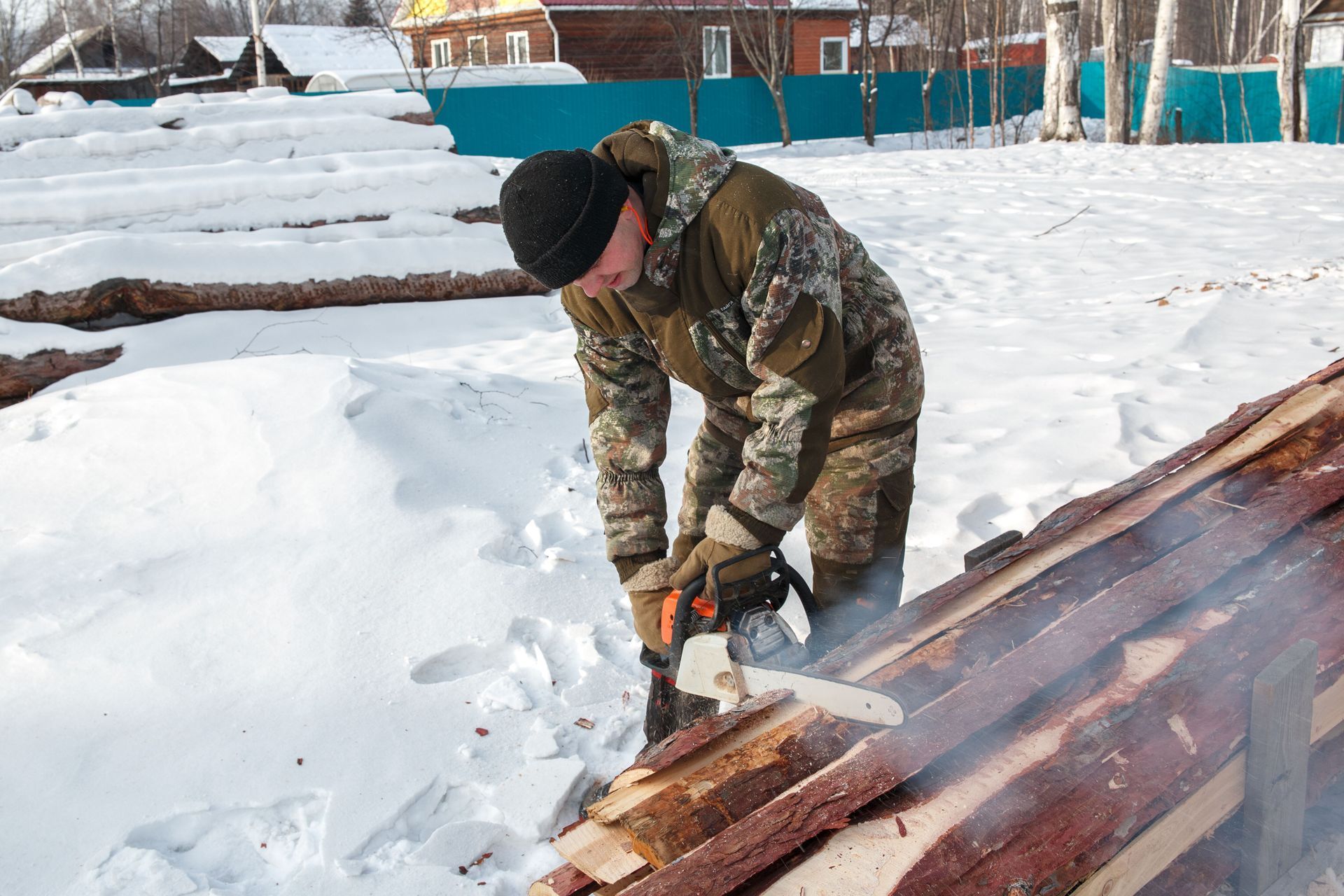
Before comparing insulated work gloves, identify what workers handle and how long they remain exposed. A loading dock with frequent indoor breaks presents different demands from prolonged outdoor maintenance.
Consider:
- Air temperature, wind and contact with cold surfaces.
- Snow, rain, slush, condensation and perspiration.
- Sharp edges, abrasion and back-of-hand impact hazards.
- Tool controls, small components and device use.
Use a workplace hazard assessment to establish the required protection first. Our guide to choosing work gloves for workplace hazards provides a broader starting point.
Balance Insulation With Moisture Control
More bulk is not automatically the best answer. Insulation must suit the exposure and activity level while allowing workers to complete the task safely.
Moisture deserves equal attention. Gloves can become damp from outside water or perspiration, reducing their ability to keep hands warm. For wet work, check the manufacturer's water-resistance claims and coverage. A coated palm does not establish that the entire glove is waterproof. Keep dry replacement pairs available and follow the manufacturer's drying instructions. Moving between cold storage and warmer areas should also be part of the assessment.
Where EN 511 results are supplied, they describe separate laboratory performance for convective cold, contact cold and water penetration. They do not establish one universal safe working temperature or exposure time. Ask what supports any advertised temperature recommendation.
Check Grip, Fit and Dexterity Together
A glove that feels comfortable indoors may behave differently during a cold shift. Evaluate its flexibility and grip under the conditions expected at work, including wet materials where relevant.
Workers should be able to close their hands, operate required controls and handle components securely. Excess material at the fingertips can interfere with fine work, while an overly tight fit can restrict circulation. If liners are planned, confirm that the manufacturer supports the combination and assess the complete system. Adding a liner can change fit, dexterity and grip; simply choosing a larger outer glove does not prove suitability.
Check the cuff with winter sleeves, too. The combination should maintain necessary coverage during reaching and bending without interfering with movement.
Keep Cut and Impact Protection in the Specification
Insulation does not establish cut resistance. For sharp-material handling, check the finished glove's documented performance, including its ANSI/ISEA 105-2024 cut classification where provided. Select the level through the hazard assessment rather than assuming the highest rating is always the right choice.
Back-of-hand impact protection is a separate property. Where needed, request relevant ANSI/ISEA 138 performance information and confirm the coverage.
Neither rating makes a glove cut-proof or eliminates crushing and trapping hazards. Follow equipment-specific procedures, including any restrictions on wearing gloves near moving machinery.
Trial Gloves on Real Tasks
Before ordering for an entire team, trial approved options in the required sizes with representative users. Evaluate warmth, grip, movement and comfort over realistic work periods, with suitable supervision and exposure controls.
Record whether workers can:
- Hold tools and materials without slipping.
- Operate controls without excessive effort.
- Maintain coverage while moving.
- Keep the glove interior reasonably dry.
- Complete necessary touchscreen tasks.
For scanners, tablets or phones, test the actual glove-and-device combination, including any approved liners. Touchscreen compatibility varies by glove, screen and operating conditions.
Our touchscreen work glove guide explains what to check. Device access should support the task without requiring workers to expose their hands to hazards.
Make Gloves Part of the Cold-Work Plan
Hand protection works alongside wind protection, warm-up breaks, training and suitable clothing. Workers experiencing numbness or loss of control should stop the task safely and follow the workplace's cold-stress procedures.
Inspect gloves for damage, worn coatings and deteriorated insulation. Follow the manufacturer's cleaning, storage and replacement guidance.
Explore Stalwart Safety's Cold Temp Gloves and discuss your tasks, exposure and required protection with our team. A documented specification and practical trial can help you choose winter hand protection workers can use effectively throughout the shift.