High-Visibility PPE for Fall: Fit, Visibility and the ANSI/ISEA 107 Update
Shorter days, cooler mornings and changing weather make fall an important time to review workplace visibility. A crew that completed its summer shift in daylight may now be working around moving vehicles at dusk. Additional clothing layers can also change how safety garments fit and perform.
For employers, distributors and safety managers, selecting high-visibility safety apparel requires more than choosing a bright colour. Protection depends on the garment’s performance, condition, fit and suitability for the task.
With a proposed revision to ANSI/ISEA 107 also under development, this is a useful opportunity to review both purchasing specifications and everyday PPE practices.

Reassess Visibility as Conditions Change
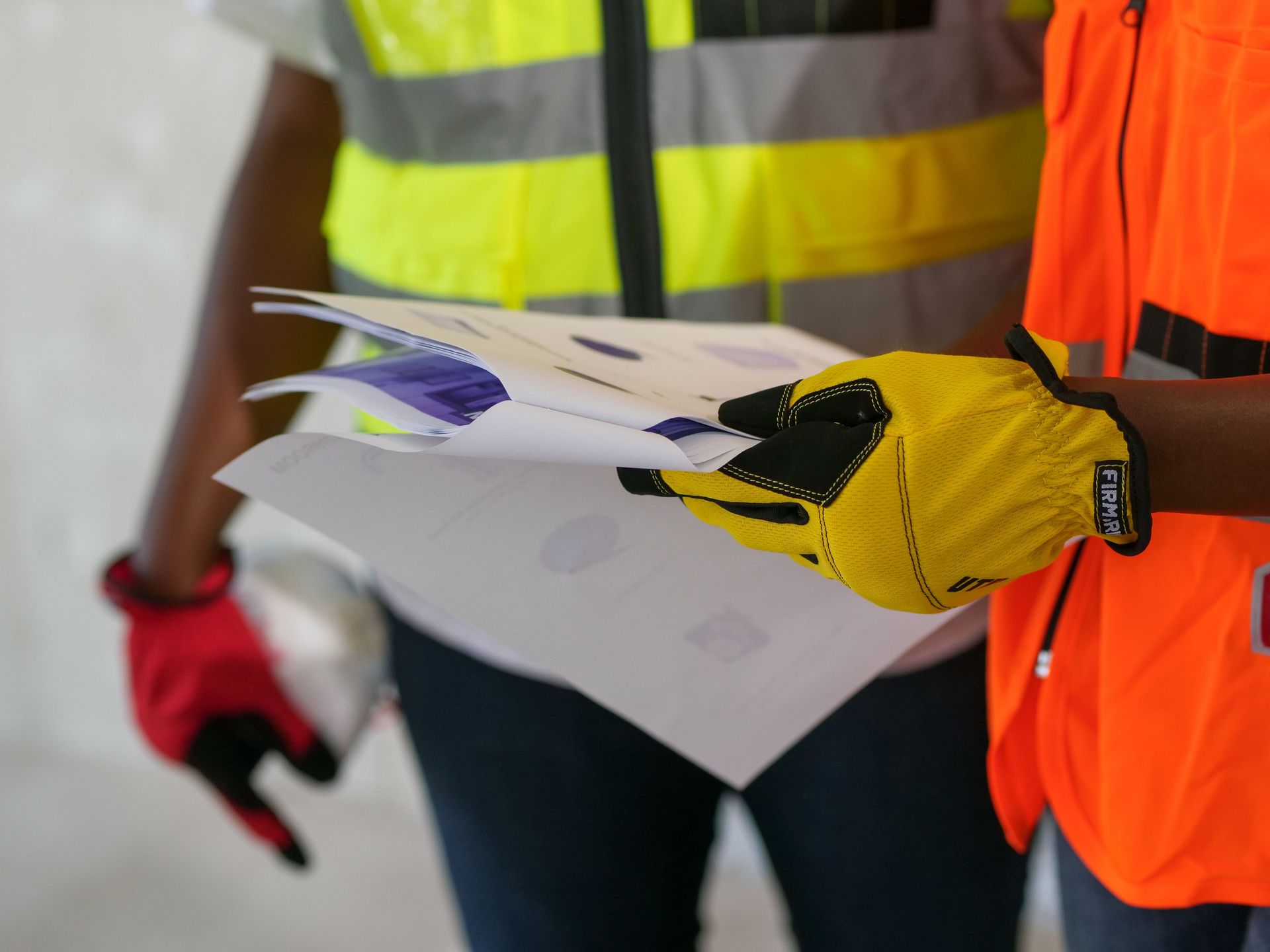
Start by reviewing where workers interact with traffic or mobile equipment. Consider lighting, vehicle speeds, background clutter, weather and whether equipment operators have clear sightlines. At Stalwart Safety, we recommend assessing these conditions before selecting apparel. Hi-Viz safety clothing should support measures such as barriers, traffic controls and safe work procedures, it can't be expected to replace them.
Before returning stored apparel to service, check for fading, damaged striping, tears, soiling and closures that no longer work properly. Dirty or deteriorated garments can lose visibility performance. Follow manufacturer care instructions and remove unsuitable items from service. Assign responsibility for replacement decisions and make reporting defects straightforward. A clear process helps supervisors respond consistently when workers identify problems.
Make the review specific to each task. A purchasing list that groups every outdoor employee together may overlook differences between roadside maintenance, loading areas and other work environments.
Understand Daytime and Nighttime Visibility
Fluorescent background materials and retroreflective striping serve different purposes. Fluorescent materials improve daytime visibility, while retroreflective materials return light toward its source, helping workers become visible in vehicle headlights. A bright garment alone does not establish its suitability for nighttime work. Review the complete garment’s documented classification and performance against the work environment. ISEA explains that ANSI/ISEA 107 addresses material performance, visible-material areas and garment classifications. ISEA high-visibility overview
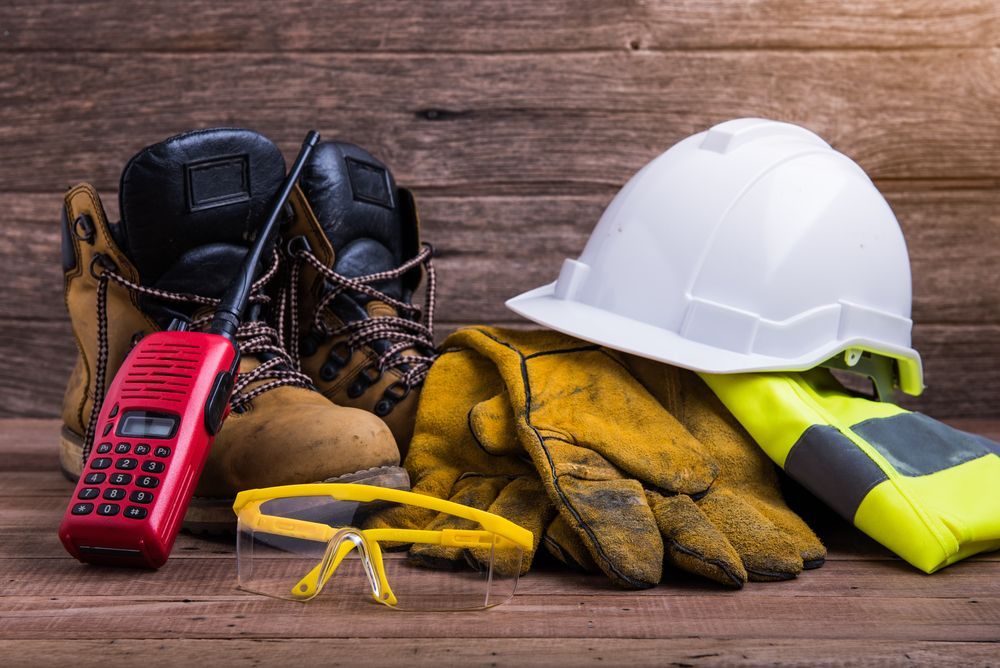
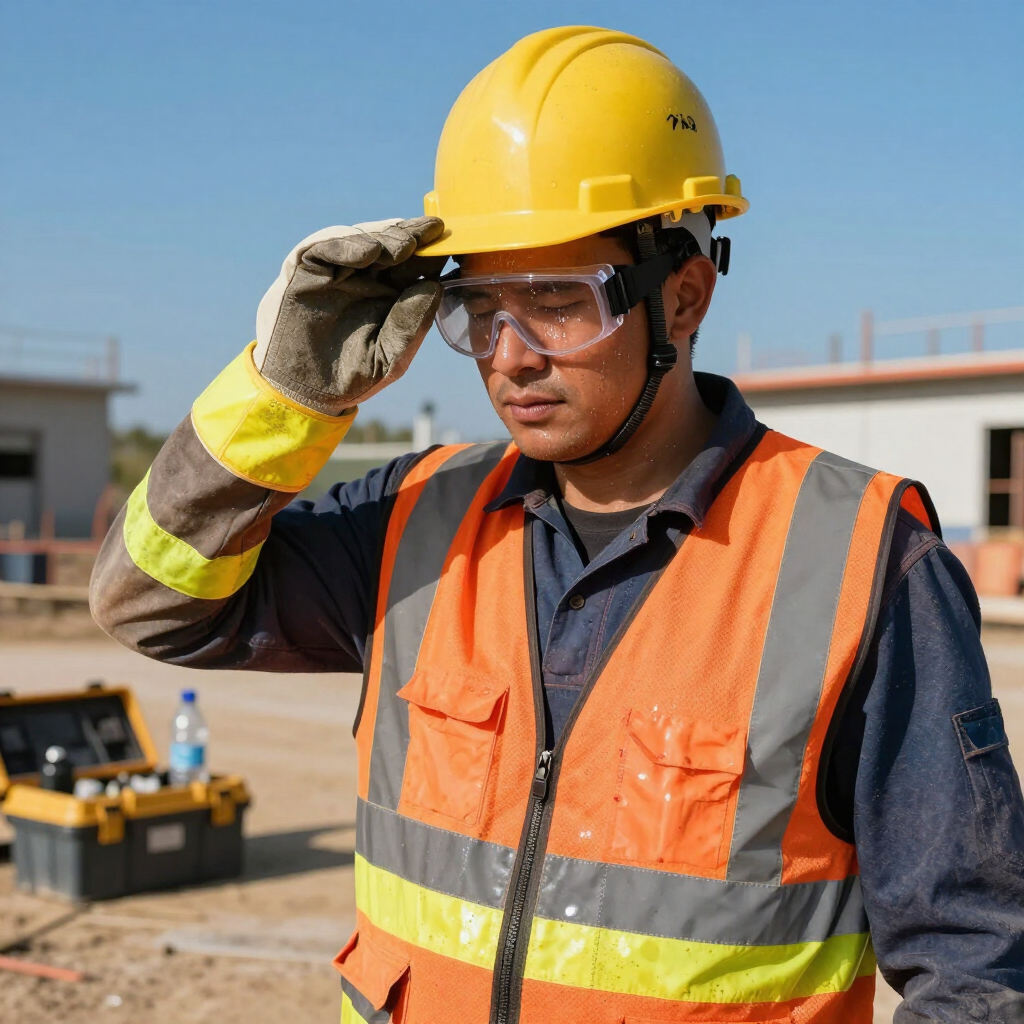
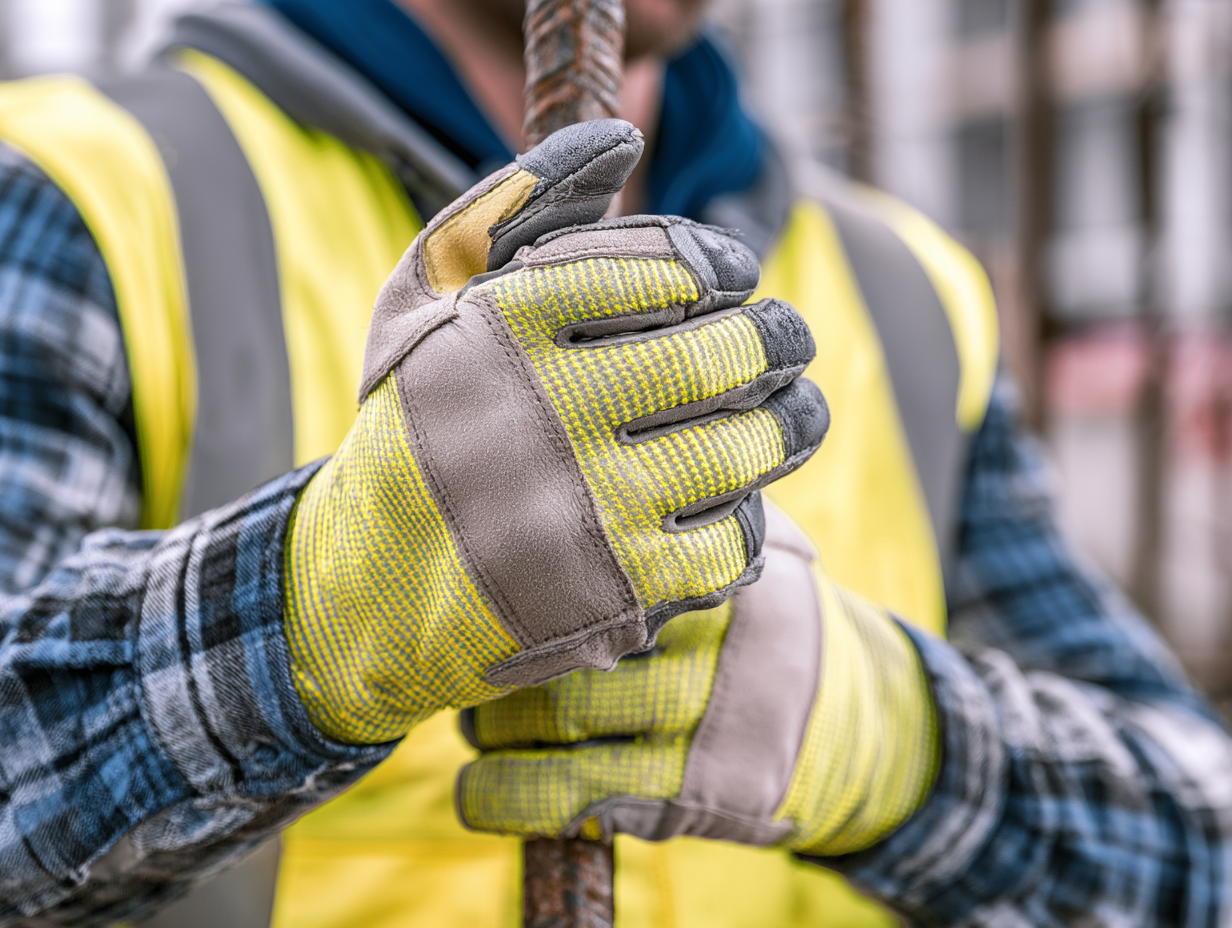
Important Note: A vest that fits over a summer shirt may fit differently over a jacket. Evaluate garments with the clothing and equipment workers actually wear. Check that the garment fastens correctly, allows necessary movement and remains in position. Avoid excessive looseness that could introduce snagging hazards, and confirm that other PPE remains compatible.
What Is Happening with ANSI/ISEA 107?
The ANSI/ISEA 107 update remains a proposed revision in the official sources reviewed for this article. As of September, 2026, ISEA’s published standards directory continues to list ANSI/ISEA 107-2020.
ISEA’s March announcement identifies several proposed changes:
- Updated sizing requirements and measurement guidance.
- Revised test methods and definitions.
- Enhanced evaluation of colourfastness, dimensional stability and tear resistance.
- Optional testing of overall luminous intensity using ASTM E1501 to assess nighttime visibility.
The public-review period ended May 11, 2026. ISEA explicitly describes the draft as unpublished and unapproved, with content subject to change. These proposals should therefore be discussed as developments to watch, rather than finalized requirements. ISEA revision announcement
For purchasing teams, the practical next step is to request clear documentation identifying which published edition a product meets. A revision announcement alone is not evidence that existing inventory needs replacement.
Keep Canadian Requirements in View
Canadian buyers reviewing high-viz safety standards should also consider CSA Z96:22. It addresses garment classes, colours, retroreflective performance, material placement and other performance requirements. Although developed in technical harmony with ANSI/ISEA 107 and ISO 20471, it remains a separate standard. Confirm the legislation and workplace specifications applicable to the job before selecting apparel. Do not assume an ANSI marking establishes conformity with every Canadian requirement. Match the product documentation to the requirement being specified.
Prepare Your Team with Stalwart Safety
Fall purchasing is an opportunity to review the whole application: working conditions, required markings, garment fit and replacement needs.
Stalwart Safety works with distributors and their customers to develop protective solutions for real workplace demands. Explore our Hi-Viz Safety range, then contact our team to discuss your requirements before your next order.
Email us at customerservice@stalwartsafety.com with your workplace specifications and sizing needs, and let us help you identify suitable options for your team.