PPE and Heat Stress: How to Maintain Protection in Hot Working Conditions
Hot weather can create serious challenges in construction, manufacturing, logistics, roadwork, maintenance, and other physically demanding industries. As temperatures and humidity rise, required personal protective equipment can add to the body’s heat load by trapping warmth, limiting airflow, or slowing the evaporation of sweat.
The answer is not to remove required PPE. Instead, employers need to account for its effect when assessing heat exposure and selecting control measures. A strong heat-stress program balances protection from immediate workplace hazards with the need to help workers regulate body temperature.
Why PPE Can Increase Heat Stress
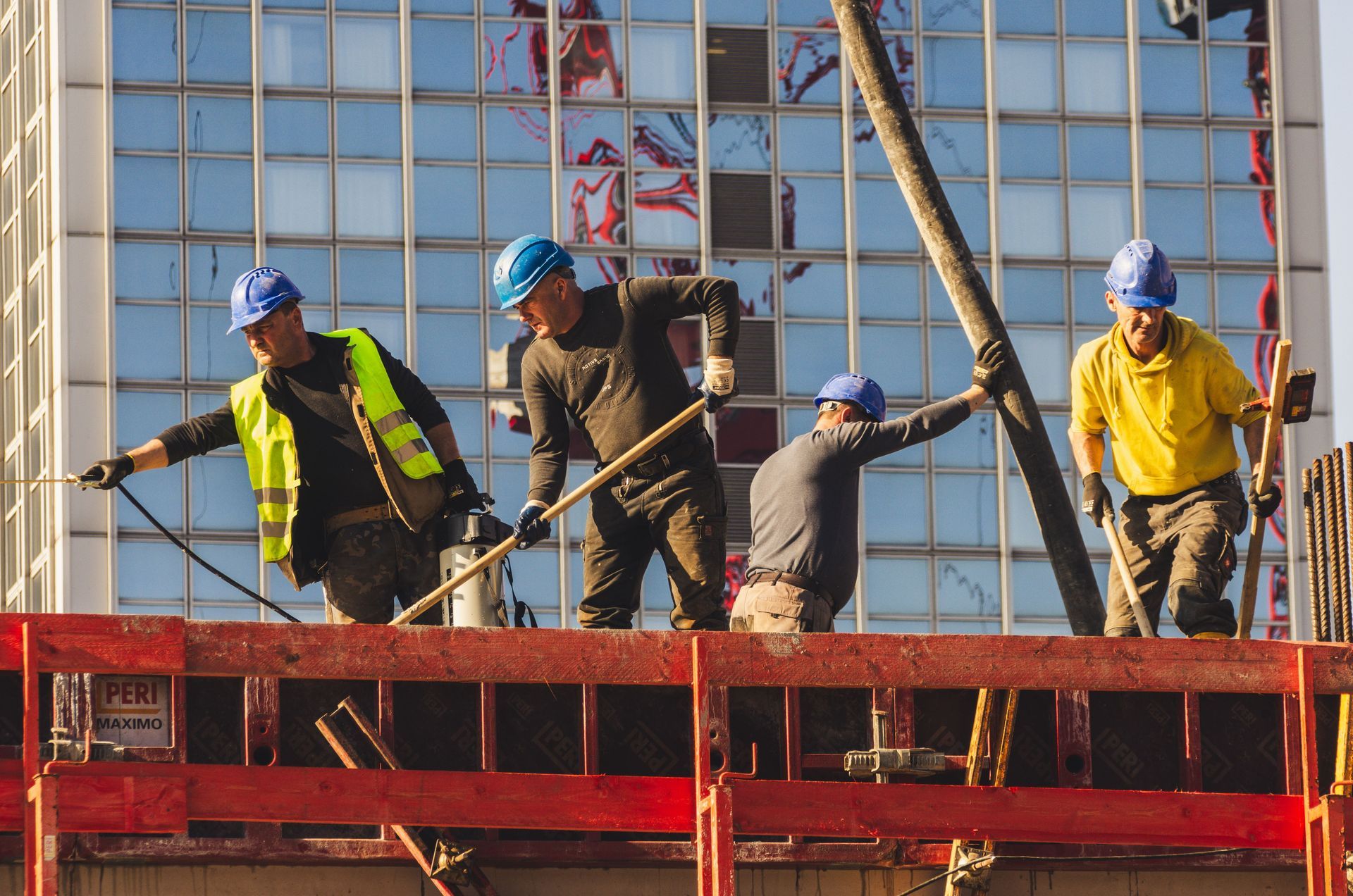
The body primarily cools itself by releasing heat and evaporating sweat. Protective clothing may interfere with that process, particularly when it is heavy, layered, impermeable, or designed to protect against chemicals, flames, sparks, heat, or other serious hazards.
PPE-related heat burden can be influenced by:
- Garment material and weight
- Number of layers worn
- Coverage required
- Breathability and ventilation
- Physical demands of the task
- Temperature, humidity, radiant heat, and air movement
- Length of time the equipment must be worn
This does not make the PPE unnecessary. It means the additional heat burden should be considered when setting work-rest schedules, planning tasks, monitoring conditions, and training workers.
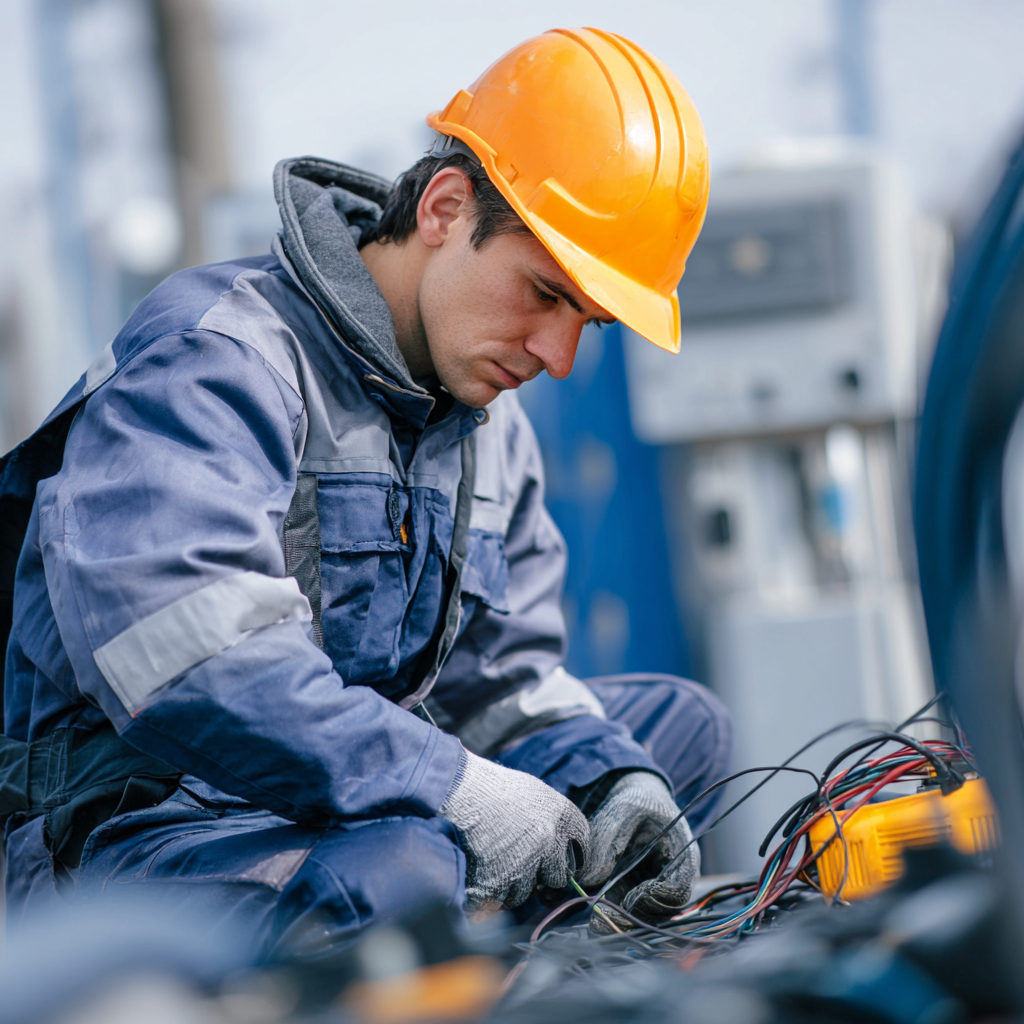
Start with the Workplace Hazard Assessment
Hot-weather PPE selection should always begin with the hazards present, not with comfort alone.
A lightweight garment may feel more comfortable but may not provide sufficient visibility, flame resistance, chemical protection, or coverage. Likewise, removing gloves to cool the hands could expose a worker to cuts, burns, abrasion, impact, or contaminated materials.
Employers should consider whether PPE can be selected that provides the required protection with less unnecessary weight or bulk. Any alternative should still meet the applicable workplace requirements, manufacturer specifications, and safety standards.
PPE should also be assessed as part of the complete work system. If required equipment creates a substantial heat burden, the solution may involve reducing exposure time, increasing recovery periods, improving ventilation, or changing when and how the task is completed.
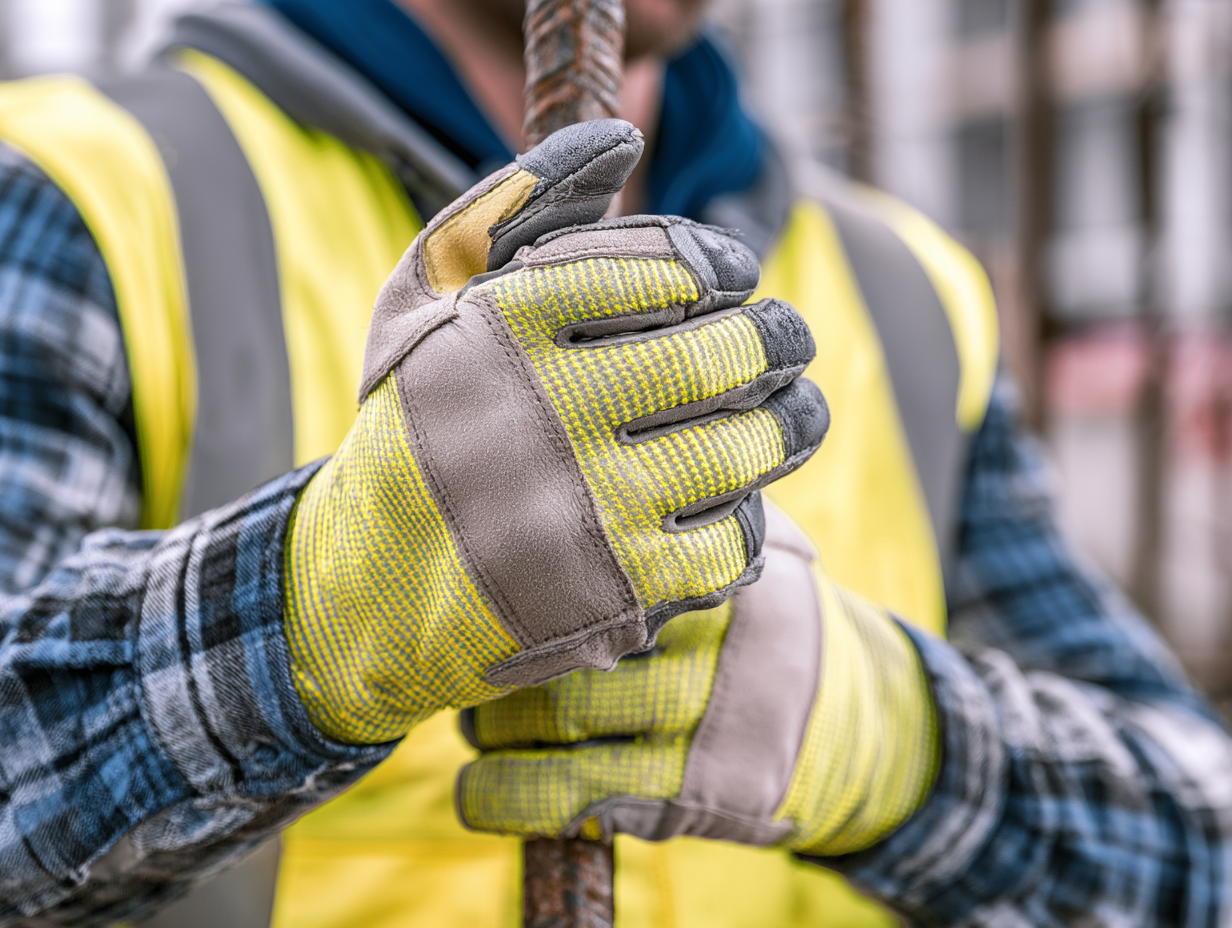
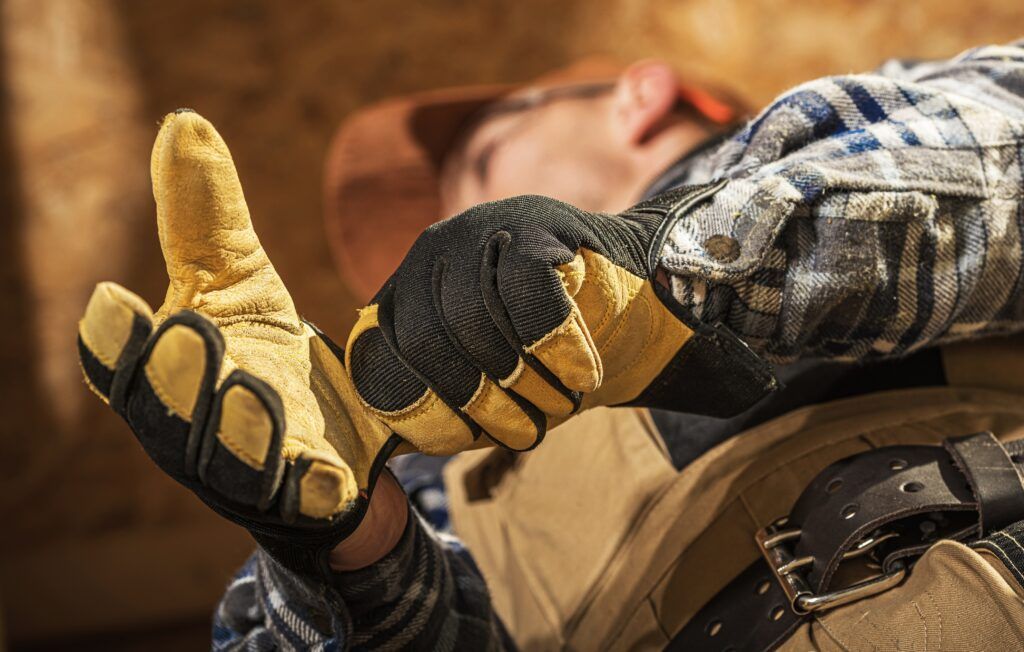
Choosing Work Gloves for Hot Conditions
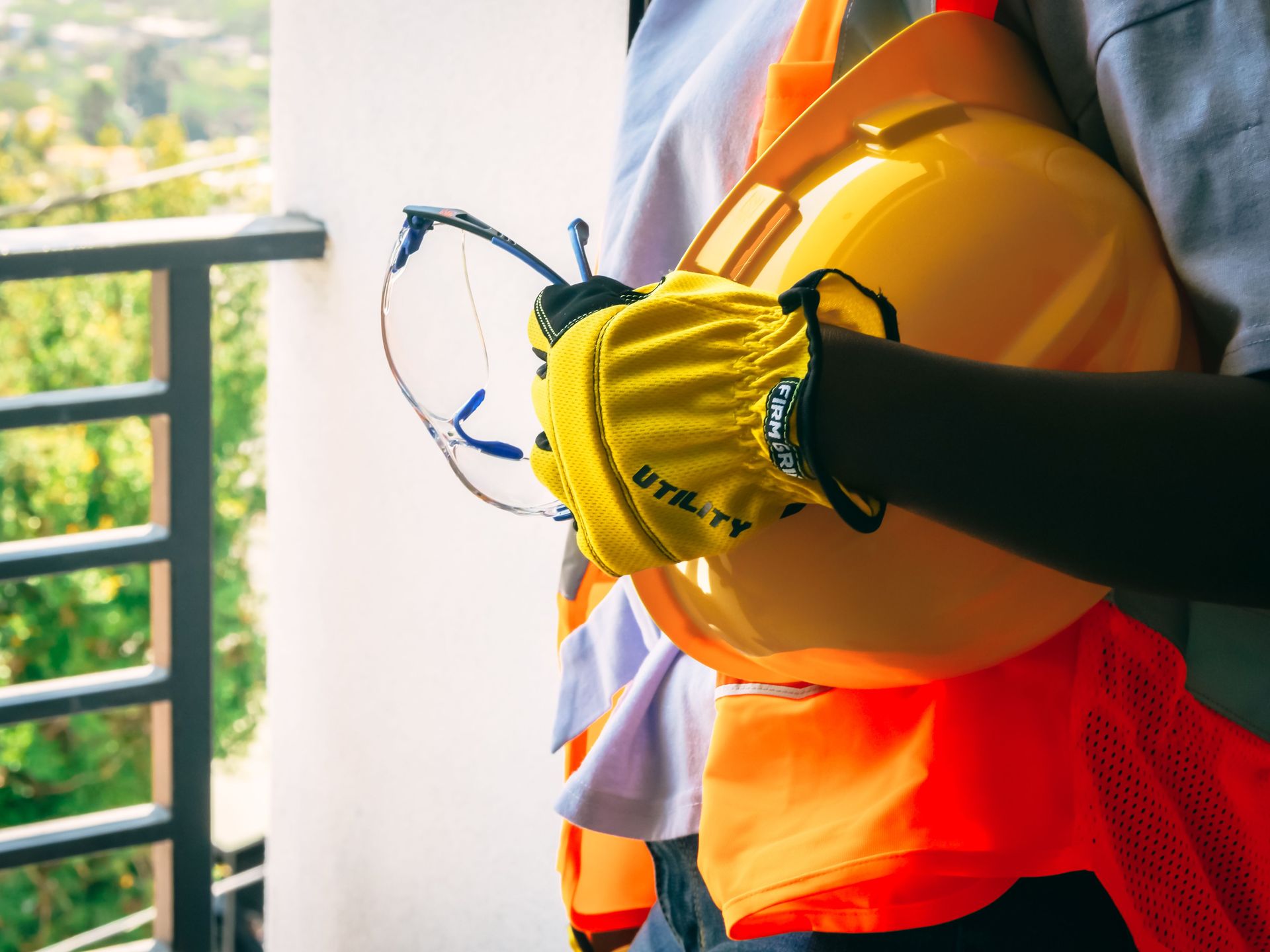
Sweat can affect how gloves fit and perform. A glove that becomes loose may reduce control, while moisture inside the glove may contribute to discomfort, skin irritation, or workers removing their protection during a task.
When selecting work gloves for hot environments, consider:
- The primary hand hazard
- Required cut, abrasion, puncture, impact, or heat resistance
- Grip performance in wet or sweaty conditions
- Glove fit after extended wear
- Dexterity and tool control
- Liner and coating materials
- Cuff style and coverage
- Whether gloves can be changed during the shift
Workers handling hot materials still require properly rated heat-resistant gloves. “Hot weather” and “heat-resistant” are not interchangeable terms: one describes the working environment, while the other relates to protection from specific thermal hazards. Selection should reflect the type of heat, temperature, contact duration, and task.
High-Visibility Apparel in Summer
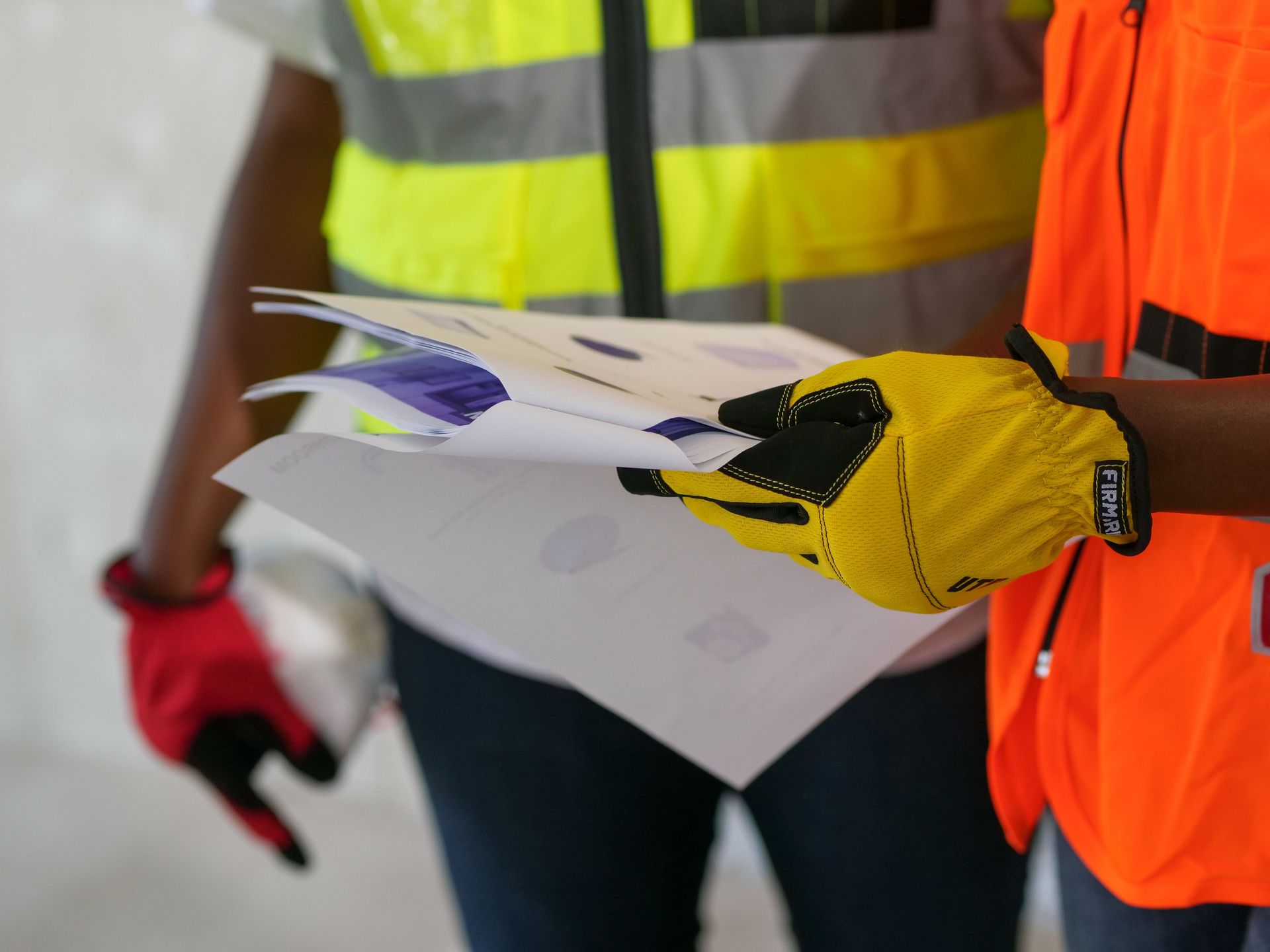
Workers near traffic, vehicles, or mobile equipment must remain visible regardless of temperature. Wearing a standard shirt instead of required high-visibility apparel can introduce a different and potentially immediate hazard.
Safety teams should select high-visibility garments that meet the required performance class while considering fit, seasonal suitability, and layering. The garment must remain correctly fastened and visible; rolling, covering, or altering it can reduce its effectiveness.
Dirty, faded, damaged, or heavily worn apparel should also be inspected and replaced according to workplace procedures and manufacturer guidance.
PPE Is Only One Part of Heat-Stress Prevention
PPE selection alone cannot control heat exposure. CCOHS recommends broader measures such as engineering controls, appropriate work-rest regimens, worker training, hydration, acclimatization, buddy systems, and emergency planning.
Depending on the workplace, controls may include:
- Improving ventilation or air movement
- Shielding workers from radiant heat
- Scheduling strenuous work during cooler periods
- Providing shaded or air-conditioned recovery areas
- Rotating tasks to reduce prolonged exposure
- Allowing new or returning workers to acclimatize gradually
- Making cool drinking water readily available
- Training workers to recognize and report symptoms
Workers should be encouraged to report headaches, dizziness, nausea, cramps, unusual fatigue, confusion, or other signs of heat-related illness immediately. Heat stroke is a medical emergency and requires prompt emergency assistance.
Build PPE into Your Heat-Stress Plan
Effective hot-weather safety does not force employers to choose between heat-stress prevention and protection from other hazards. It requires both risks to be evaluated together.
Review how required gloves, high-visibility garments, protective clothing, and other equipment affect workers during representative tasks. Ask for worker feedback, monitor changing conditions, and adjust work practices when heat exposure increases. Most importantly, never allow PPE to become the only control protecting workers from a preventable hazard.
Stalwart Safety helps employers, distributors, and safety professionals identify PPE suited to real workplace demands. Explore our selection of industrial work gloves and high-visibility safety products, or contact the Stalwart Safety team to discuss the hazards, conditions, and performance requirements affecting your workforce. Let us help you build a PPE program that protects workers without overlooking the realities of hot working conditions.