How to Choose the Right Work Gloves for Every Workplace Hazard
Work gloves are one of the most common forms of personal protective equipment, but choosing the right pair is not always as simple as grabbing whatever is available.
Different jobs expose workers to very different hazards. A glove designed for general material handling may not provide enough protection around sharp metal, extreme temperatures, powered equipment, or repetitive vibration. At the same time, selecting more protection than the task requires can reduce comfort and dexterity.
The best approach is to match the glove to the hazard.
Stalwart Safety’s catalog includes five primary glove categories designed to address a broad range of workplace demands: General Purpose, Cut Resistant, Cold Temp, Heat Resistant, and Specialty Gloves. Understanding the role of each category can help safety managers, supervisors, distributors, and workers make more informed decisions about workplace hand protection.
Start with a Proper Hazard Assessment
Before selecting industrial safety gloves, consider what workers are actually exposed to during a normal shift.
Important questions include:
- Are there sharp edges, blades, or rough materials?
- Will workers handle hot surfaces or operate near sparks?
- Is the work performed outdoors, in a freezer, or in another cold environment?
- Does the task involve impact, vibration, or repetitive tool use?
- How much grip, flexibility, and finger control does the worker need?
One glove cannot protect against every hazard equally well. Identifying the main risk first makes it easier to narrow down the appropriate category.
General Purpose Gloves for Everyday Work
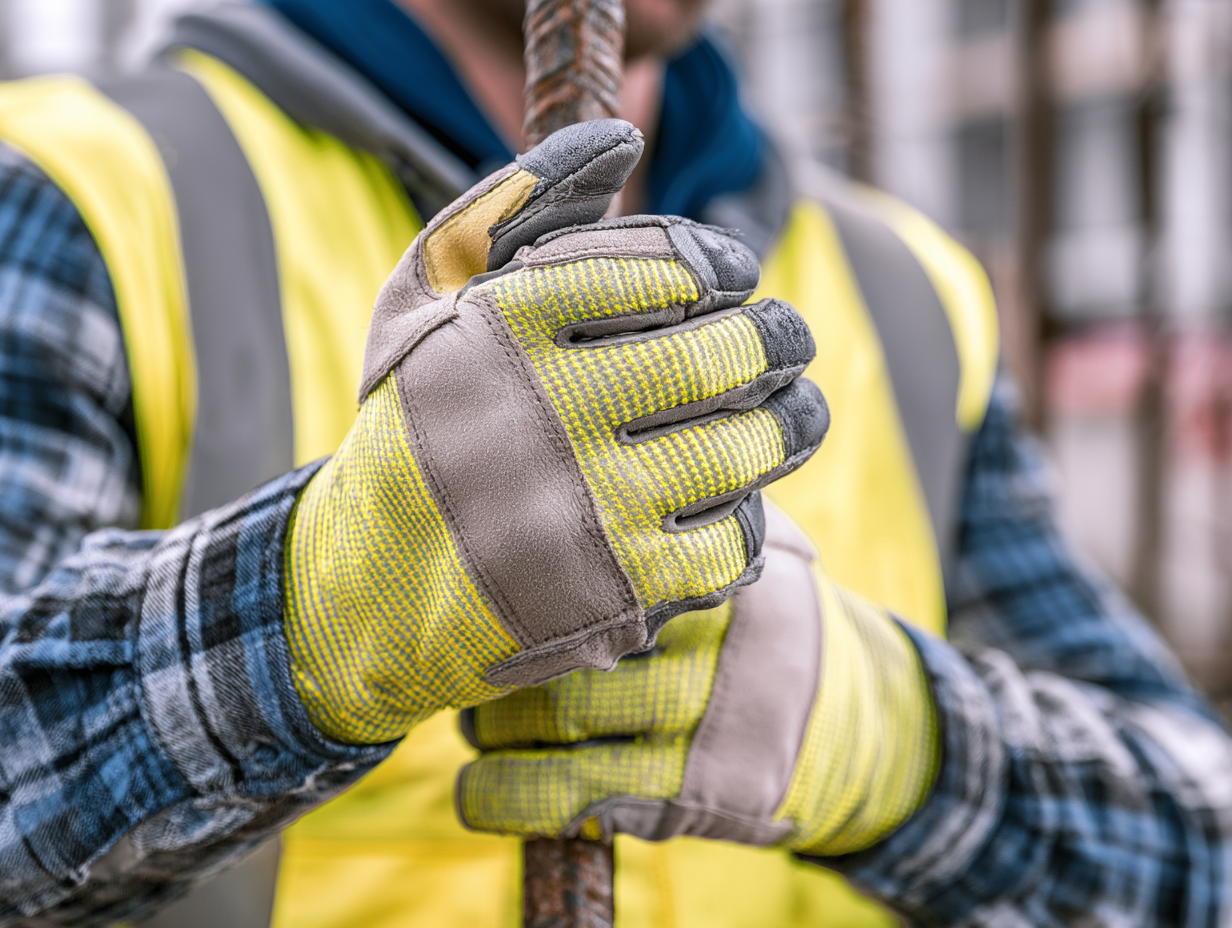
General Purpose Gloves are suited to routine tasks where workers need grip, comfort, and basic hand protection without heavy thermal or cut-resistance requirements.
They may be appropriate for:
- Warehousing and logistics
- Light assembly
- Shipping and receiving
- General maintenance
- Material handling
- Landscaping and property work
These gloves can help protect against minor abrasions, dirt, friction, and everyday wear while still allowing workers to handle tools and materials comfortably.
The main advantage is versatility. For operations involving several light-duty tasks, general purpose work gloves can provide a practical balance between protection and dexterity.
However, they should not be treated as a substitute for specialized protection when workers face blades, high heat, severe cold, or impact hazards.
Cut Resistant Gloves for Sharp Materials
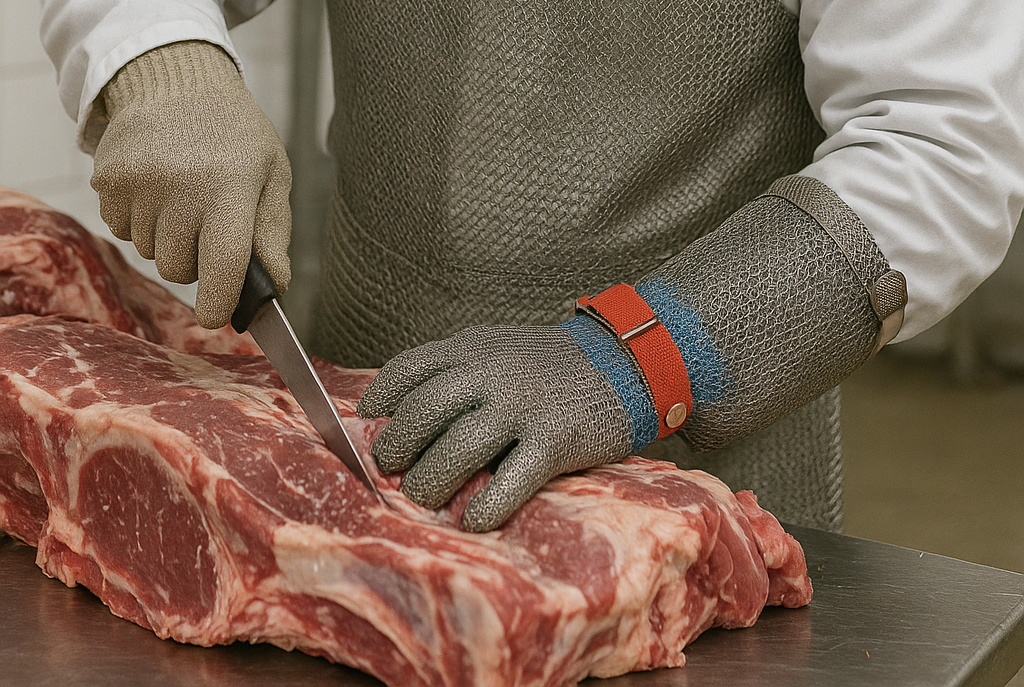
Workers handling sheet metal, glass, blades, tools, sharp components, or rough-edged materials may require Cut Resistant Gloves.
These gloves are designed to reduce the likelihood and severity of cuts and lacerations while maintaining enough flexibility to perform detailed work.
Common applications include:
- Metal fabrication
- Automotive manufacturing
- Glass handling
- Construction
- Recycling and waste sorting
- Food processing
- Industrial assembly
Cut resistance can vary significantly from one glove to another. Employers should consider the severity of the hazard, the material being handled, and any applicable safety ratings before making a selection.
Stalwart Safety also provides educational resources related to cut-resistant glove materials, coatings, gauge, and ANSI ratings, reinforcing the importance of selecting protection according to the specific task rather than relying on appearance alone.
Cold Temp Gloves for Low-Temperature Environments
Cold environments can affect more than comfort. Reduced hand temperature may lead to stiffness, slower movement, weaker grip, and difficulty handling equipment safely.
Cold Temp Gloves are intended for workers operating in environments such as:
- Refrigerated warehouses
- Freezers and cold storage
- Outdoor construction
- Winter roadwork
- Transportation and logistics
- Snow and ice operations
- Utility work
The right cold-weather glove should provide insulation while still allowing the worker to grip tools and complete essential tasks.
When choosing this type of glove, consider whether workers also face moisture, abrasion, cuts, or impact. Some cold environments require layered protection rather than insulation alone.
Heat Resistant Gloves for Thermal Hazards
Heat Resistant Gloves are designed for jobs involving hot surfaces, sparks, heated materials, or elevated temperatures.
They may be used in:
- Welding and metal fabrication
- Foundries
- Manufacturing
- Automotive operations
- Glass production
- Industrial maintenance
- Material handling near heat sources
Stalwart identifies burns, cuts, abrasions, and high heat as common hazards in metal fabrication and welding environments, where workers may also need secure grip and forearm protection.
The correct glove depends on the type of heat involved. Brief contact with a hot object is different from prolonged exposure to radiant heat, sparks, or molten material. Safety teams should evaluate temperature, contact duration, glove construction, and any need for extended wrist or arm coverage.
Specialty Gloves for Complex or Combined Risks
Some jobs involve hazards that do not fit neatly into a single category.
Specialty Gloves may be designed for:
- Impact protection
- Vibration reduction
- Metacarpal protection
- Enhanced grip
- Chemical-related tasks
- Unique manufacturing processes
- Combined cut and impact hazards
This category is especially valuable when standard work gloves do not fully address the demands of the application.
For example, construction and roadwork may expose workers to cuts, impact, vibration, strain, and changing temperatures. In these environments, selecting protection based on only one hazard may leave important risks unaddressed.
Avoid Choosing Gloves Based on Price Alone
Cost matters, especially when equipping a large workforce, but the least expensive glove is not always the most economical choice.
A glove that wears out quickly, performs poorly, or is uncomfortable may need frequent replacement. Workers may also remove gloves that interfere with grip or dexterity, undermining the entire safety program.
A better evaluation considers:
- Hazard protection
- Comfort and fit
- Durability
- Grip performance
- Dexterity
- Expected service life
- Worker feedback
The goal is not simply to buy gloves. It is to provide protection workers can wear consistently and use effectively.
Final Thoughts: Match the Glove to the Hazard
Choosing the right work gloves begins with understanding the job.
General Purpose Gloves support everyday tasks. Cut Resistant Gloves address sharp materials. Cold Temp Gloves help workers maintain protection and function in low-temperature environments. Heat Resistant Gloves support work around thermal hazards, while Specialty Gloves help address more complex risks such as impact, vibration, and combined hazards.
There is no universal glove for every workplace. The strongest hand-protection programs evaluate the hazard, consider the worker’s task, and select equipment that balances safety, comfort, and performance.
Explore Stalwart Safety’s complete range of industrial safety gloves to compare available options and find the right protection for your workforce. For guidance with a specific workplace hazard or application, contact Stalwart Safety to discuss a solution designed around the realities of the job.