ANSI/ISEA 107-2020 in Action: Industry Applications & High-Visibility Best Practices
When it comes to workplace safety, understanding standards is only half the battle. The real impact of ANSI/ISEA 107-2020 comes from how it’s applied in real-world environments—where visibility can mean the difference between safety and serious injury.
From construction zones to industrial facilities, high-visibility safety gear plays a critical role in protecting workers across a wide range of industries. In this guide, we’ll break down where these standards matter most—and how to go beyond compliance to create a safer work environment.
The body content of your post goes here. To edit this text, click on it and delete this default text and start typing your own or paste your own from a different source.
Why High-Visibility Safety Apparel Matters
In fast-paced or high-risk environments, workers are constantly exposed to moving vehicles, heavy equipment, and unpredictable conditions. High-visibility safety apparel is designed to:
- Increase worker visibility in all lighting conditions
- Reduce the risk of struck-by incidents
- Improve reaction time for equipment operators and drivers
ANSI/ISEA 107-2020 sets the benchmark—but how you implement it is what truly protects your team.
Key Industries That Rely on ANSI 107-2020
Construction Industry
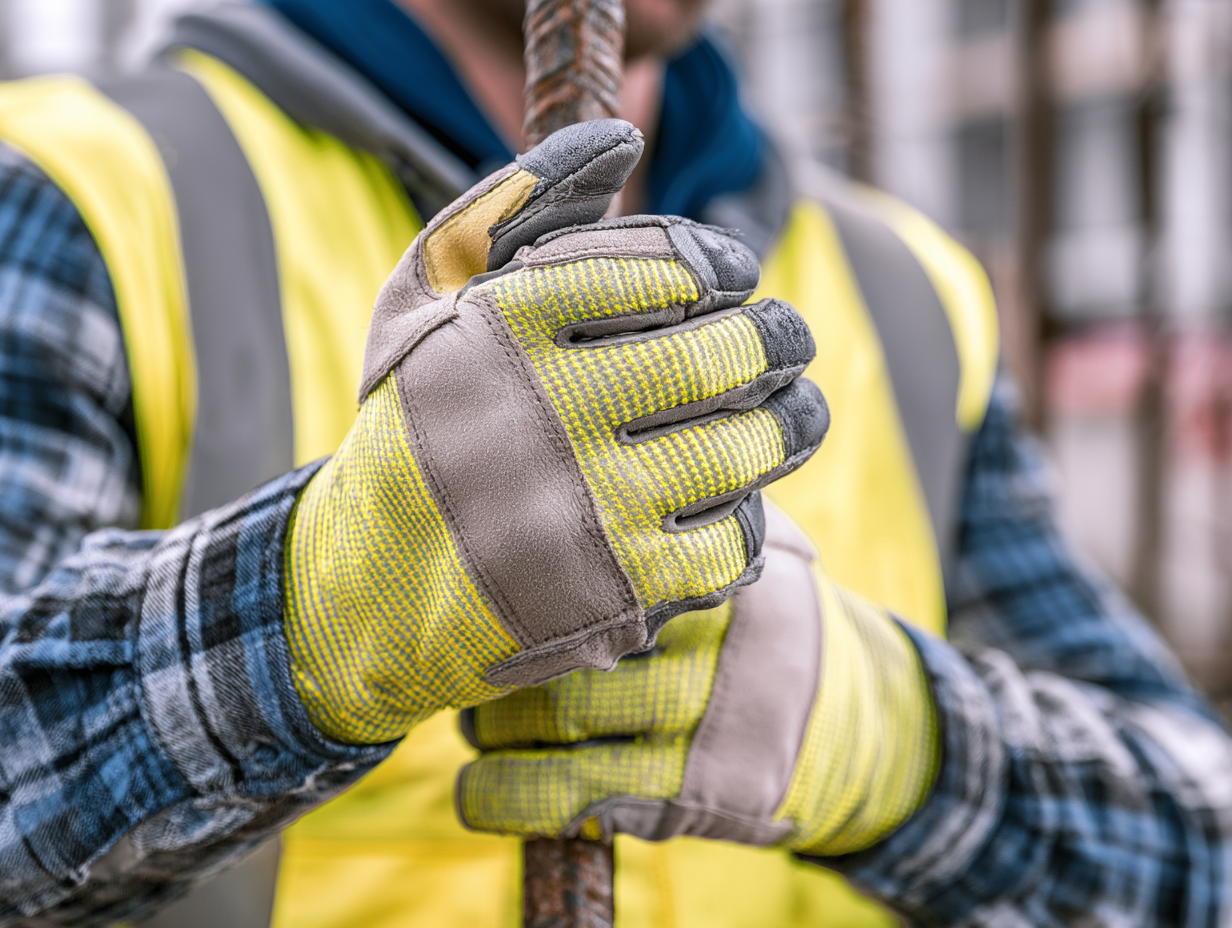
Construction sites are filled with visibility hazards, including moving machinery, uneven terrain, and constantly changing layouts.
Workers such as general laborers, steel workers, and concrete crews typically wear Class 2 garments, while those working at heights or near traffic often require Class 3 protection for maximum visibility.
Highway & Road Work
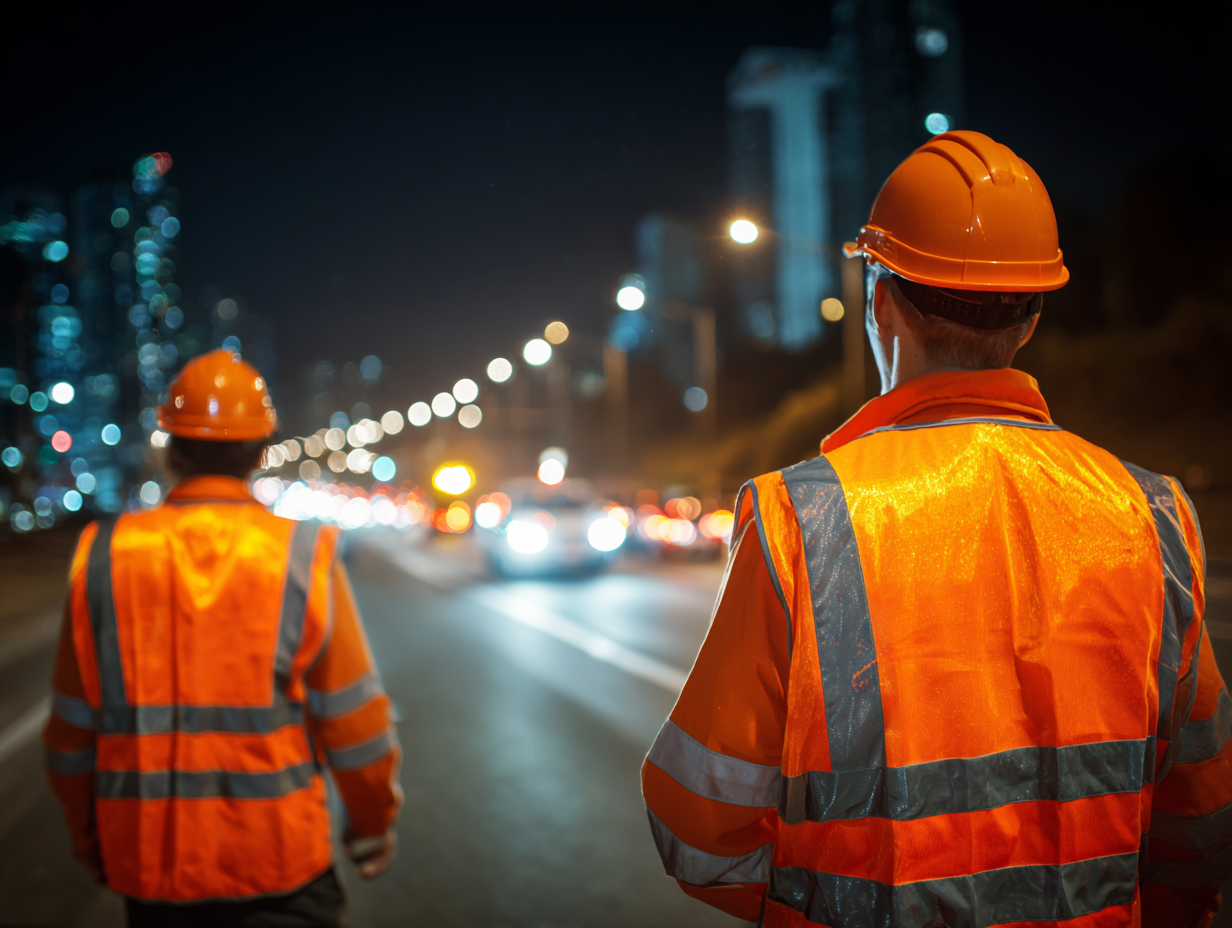
This is one of the highest-risk environments for workers. With traffic speeds often exceeding 80–110 km/h, visibility is critical.
Workers like flaggers, paving crews, and road maintenance teams rely heavily on Class 3, Type R high-visibility safety apparel to remain visible from long distances and all angles.
Industrial & Manufacturing Facilities
Even in controlled environments, visibility remains essential.
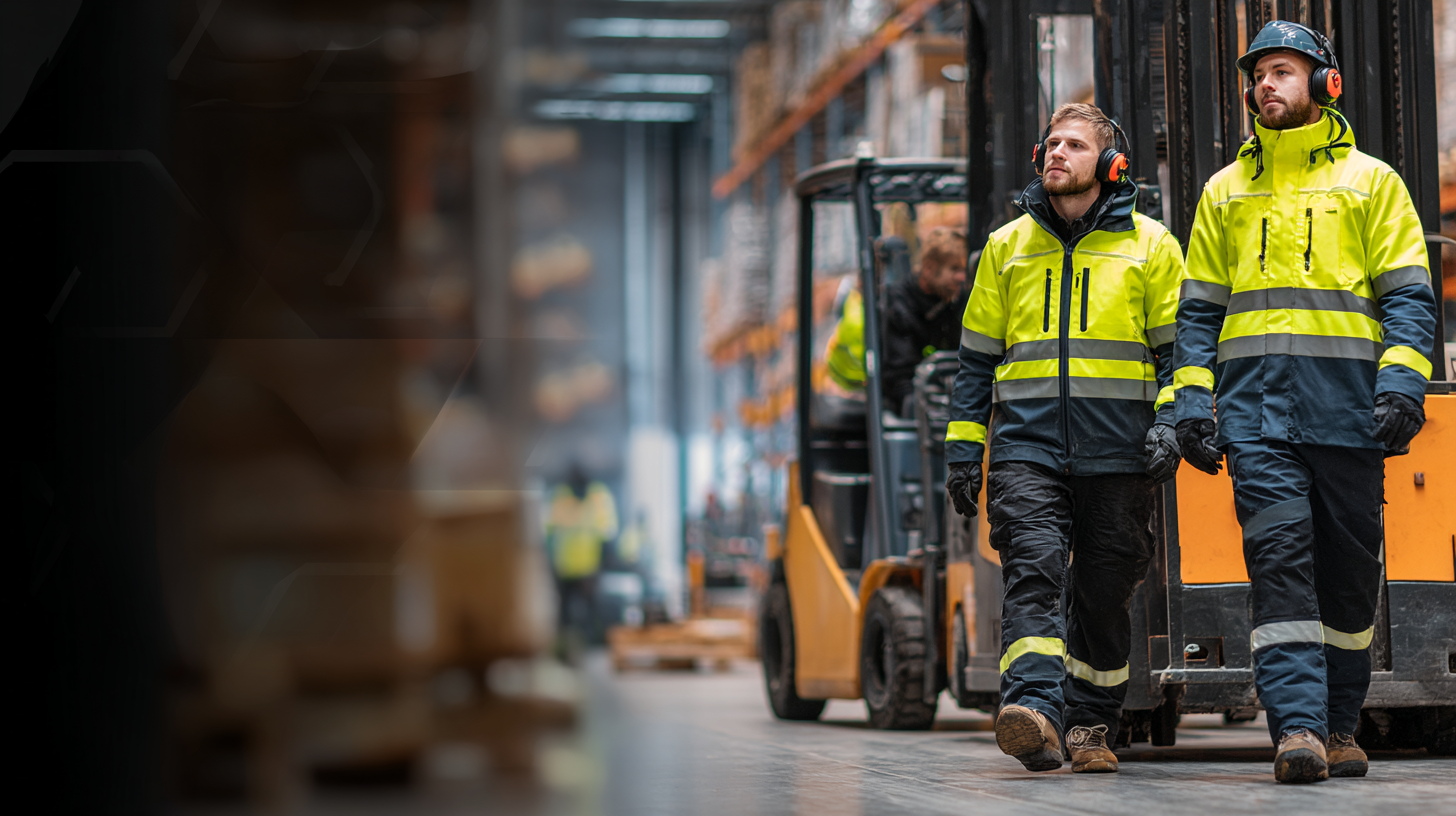
Warehouses and plants often include forklifts, automated vehicles, and tight, obstructed workspaces. Many facilities require Class 2 garments as a minimum, with higher protection in high-risk zones.
Emergency Response & Public Safety
First responders operate in unpredictable, high-pressure environments—often near traffic or hazardous scenes.
Type P garments are designed specifically for police officers, firefighters, and EMS personnel. These garments allow flexibility while maintaining high visibility around critical equipment.
Utilities & Infrastructure
Workers in utilities frequently operate near roads or in low-light environments.
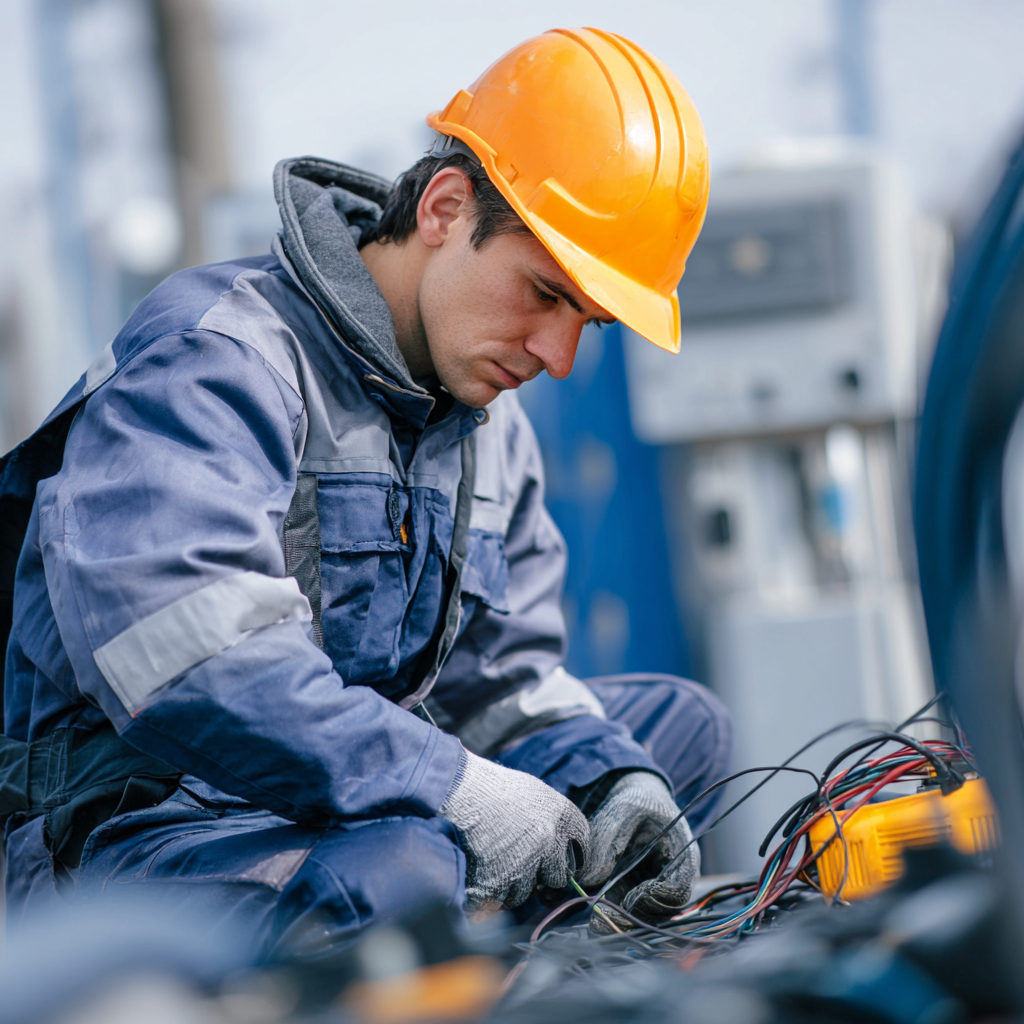
This includes electrical line workers, gas and water technicians, and telecom crews. Whether in trenches or elevated bucket trucks, high-visibility safety apparel helps ensure they remain seen at all times.
Airport Ground Operations
Airport crews face constant movement from aircraft, service vehicles, and equipment.
To stay safe in these dynamic environments, workers rely on Class 2 or Class 3 garments for visibility to pilots and ground crews alike.
Maintenance: The Most Overlooked Safety Factor
Even the best safety gear loses effectiveness over time.
To maintain compliance with ANSI/ISEA 107-2020, employers should:
- Inspect garments regularly for wear or damage
- Follow proper laundering guidelines
- Replace items with faded or peeling reflective material
- Remove contaminated garments affected by dirt, grease, or other debris
Contamination alone can dramatically reduce visibility performance, making regular inspection and replacement an essential part of any safety program.
Going Beyond Compliance: Best Practices That Actually Protect Workers
Meeting ANSI standards is important—but the safest companies go further.
Conduct Detailed Risk Assessments
Every job site is different. Evaluate traffic, lighting, and movement patterns to determine whether higher-level protection is needed.
Prepare for All Weather Conditions
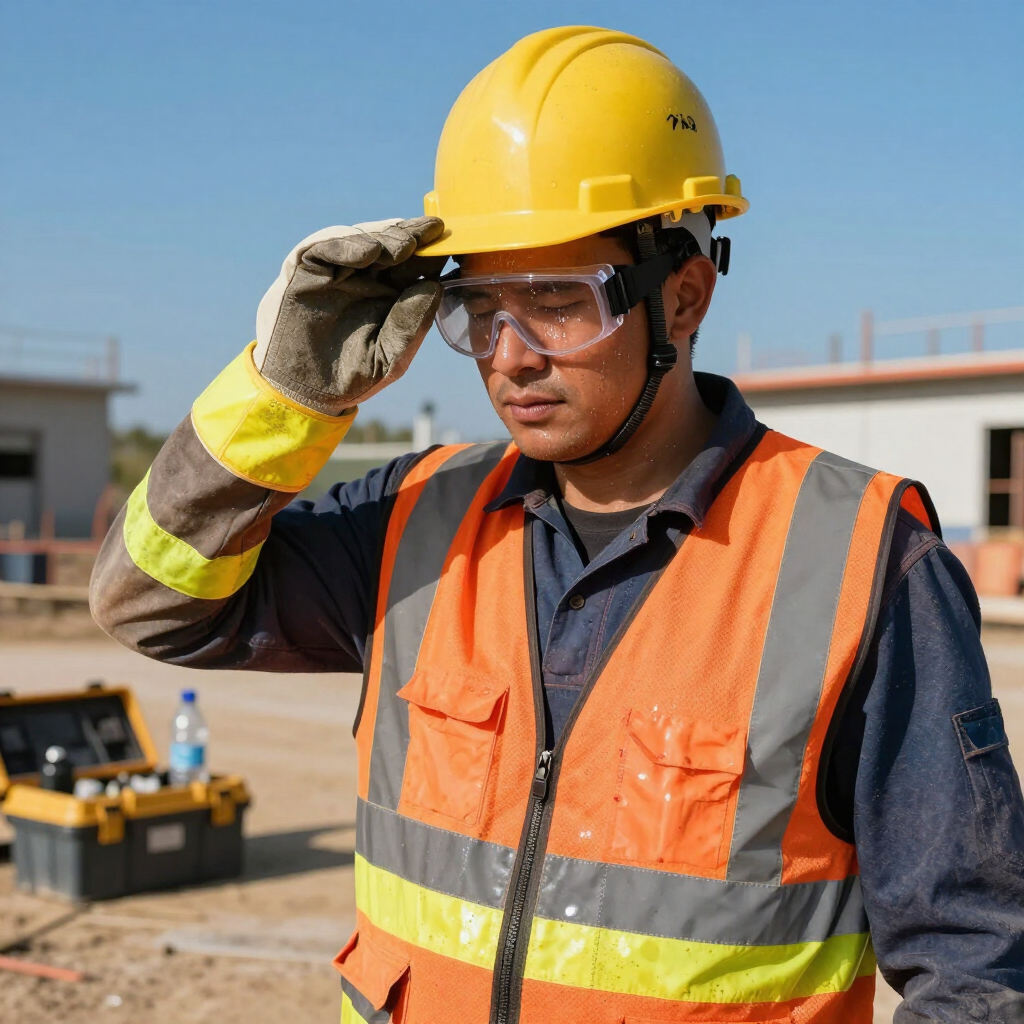
Ensure workers have appropriate high-visibility gear for rain, cold, and heat. Visibility should never be compromised by the environment.
Ensure Proper Layering
If workers wear jackets over vests, the outer layer must also meet visibility standards. Otherwise, the protection provided by the inner garment is lost.
Invest in Training & Awareness
Workers should understand why visibility matters, how to inspect their gear, and when to replace it. A strong safety culture starts with education.
How to Build an Effective High-Visibility Safety Program
Creating a reliable safety program doesn’t need to be complicated—but it does need to be intentional.
1. Conduct Hazard Assessments
Identify risks across all work areas and determine appropriate garment classes.
2. Set Clear Policies
Define when workers need Class 2 versus Class 3 protection and enforce those standards consistently.
3. Provide the Right Equipment
Ensure proper sizing, seasonal options, and enough inventory for all workers.
4. Implement Inspection Protocols
Set clear guidelines for identifying and removing worn-out gear from service.
5. Monitor and Improve
Track incidents, gather feedback, and continuously refine your approach.
Final Thoughts: Visibility Saves Lives
ANSI/ISEA 107-2020 isn’t just a guideline—it’s a proven system built on decades of safety research and real-world application.
By combining the right high-visibility safety apparel with strong policies, regular maintenance, and a proactive safety culture, businesses can reduce workplace risks and protect what matters most: their people.