The Unsung Heroes: A Guide to General Purpose Work Gloves
Let’s be honest: general purpose work gloves don’t get the respect they deserve. While their specialized cousins—the cut-resistant Kevlar warriors, the heat-defying welding champions, and the chemical-proof lab heroes—steal the spotlight, humble general purpose gloves are out there doing the real heavy lifting. Literally.
These gloves are the true workhorses of the industrial world, protecting millions of hands every day from very real hazards like splinters, scrapes, blisters, and the dreaded “I should have worn gloves” regret. So it’s time to give these underappreciated protectors their moment in the sun.

What Makes a Glove “General Purpose”?
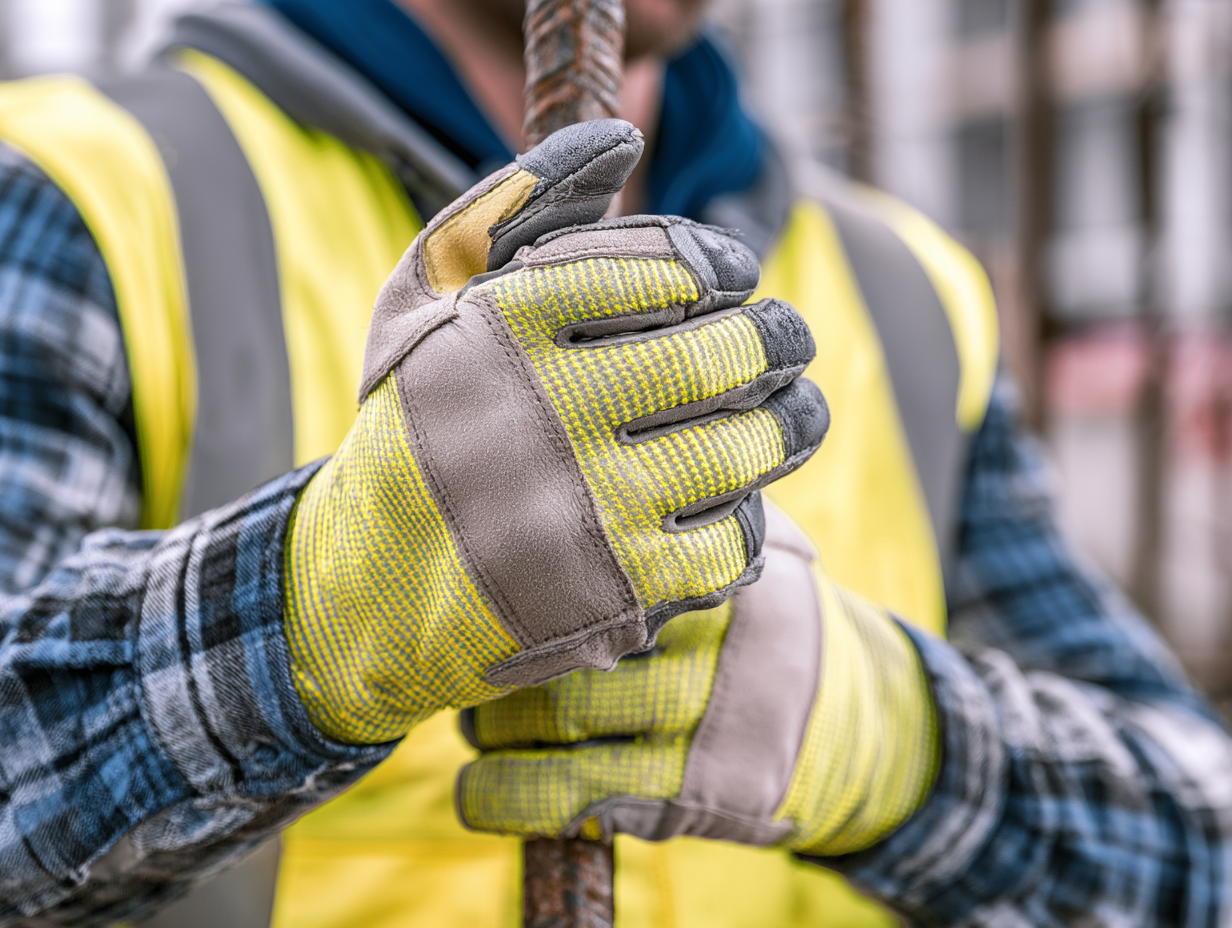
General purpose work gloves are designed for tasks where hands need protection from abrasion, minor cuts, dirt, and everyday wear and tear, but not from extreme hazards like molten metal or aggressive chemicals (please use the correct PPE for those).
Common applications include:
- Assembly and light manufacturing
- Warehousing and packaging
- Maintenance and repair
- Landscaping
- General material handling
Their biggest advantage is versatility. Think of general purpose gloves as the Swiss Army knife of hand protection—capable of handling many tasks reliably, even if they aren’t specialized for just one.
The Material World: What Are General Purpose Gloves Made Of?
Cotton and Canvas
The original work glove. Cotton and canvas gloves have been around for generations—and for good reason. They’re breathable, comfortable, absorbent, and inexpensive.
Best for:
- Light-duty material handling
- Dry environments
- Frequent glove changes
The catch:
- Minimal abrasion resistance
- Poor grip when wet
- Limited protection beyond splinters and light scrapes
Leather
Leather gloves are the classic step up in durability. Different leathers bring different benefits:
- Cowhide: Tough and abrasion-resistant
- Pigskin: Performs better when wet
- Goatskin: Excellent dexterity and comfort
Best for:
- Construction and landscaping
- Demolition and rough material handling
- Jobs where durability matters
The catch:
- Less breathable
- Higher cost
- Requires break-in time
Synthetic Leather
Synthetic leathers and microfiber materials deliver leather-like performance without the leather price—or the cow.
Best for:
- Budget-conscious operations
- Workers with leather sensitivities
- Tasks requiring immediate flexibility
The catch:
- Generally less durable than real leather (though the gap continues to shrink)
Knit Gloves with Coatings
This is where versatility really shines. A knit glove base (nylon, polyester, or blends) combined with different coatings creates a wide range of performance options.
Common coatings include:
- Latex: Good wet/dry grip and moderate abrasion resistance
- Nitrile: Oil-resistant, strong abrasion protection, allergy-friendly
- Polyurethane (PU): Excellent dexterity and dry grip
- PVC: Chemical resistance and performance in very wet conditions
Best for:
- Assembly and inspection
- Packaging
- Light automotive work
- Precision tasks
The catch:
- Durability varies by coating thickness and quality
- Style points are limited—but safety points are high
Style Matters: Design Features That Make a Difference
Knit Wrist vs. Safety Cuff
- Knit wrists keep debris out and improve flexibility
- Safety cuffs protect wrists and make donning and doffing easier
Fingertip Options
- Reinforced fingertips improve durability
- Open fingertips allow tactile sensitivity for fine tasks
Palm Patterns
Textured palms aren’t decorative—patterns improve grip, channel debris, and manage moisture, much like tire tread for your hands.
Gauntlet vs. Standard Length
Standard gloves stop at the wrist. Gauntlets extend protection up the forearm—ideal for reaching into bins or handling longer materials.
The Fit Philosophy
Here’s a simple truth: the best glove is the one workers will actually wear.
- Gloves that are too large reduce dexterity and increase risk
- Gloves that are too small are uncomfortable and wear out faster
Offering multiple sizes—and ensuring proper fit—dramatically improves compliance and safety.
Understanding Glove Gauge
Knit gloves are often labeled by gauge(7-gauge, 13-gauge, 18-gauge), which refers to stitches per inch:
- Lower gauge: Thicker, more durable, less dexterous
- Higher gauge: Thinner, lighter, more dexterous
Like most PPE decisions, it’s a trade-off between protection and precision.
The Disposable Glove Question
Disposable gloves—nitrile, latex, or vinyl—aren’t traditional work gloves, but they play a role in light industrial tasks, especially where contamination control matters.
They offer:
- Cleanliness
- Light chemical barriers
- Easy, frequent replacement
They do not provide impact or abrasion protection—but they’re invaluable in the right application.
Conclusion: Why General Purpose Gloves Still Matter
General purpose work gloves may not be flashy, but they’re essential. The right choice depends on:
- The task at hand
- Environmental conditions
- Required dexterity
- Comfort and fit
- Cost and replacement frequency
Cotton works for light-duty and breathability. Leather delivers durability and tradition. Coated knits offer unmatched versatility and grip.
When gloves fit properly and feel comfortable, workers wear them—and that’s when safety truly works. Choose wisely, replace them when worn, and never underestimate the value of the gloves that quietly protect hands every day.
Now, if you’ll excuse us, there’s some general purpose work to do.