Bad Vibrations: The Hidden Hazard in Power Tools
You know that buzzing feeling in your hands after using a power tool all day? That’s not a badge of honor—it’s your body filing a complaint.
Vibration exposure might not draw blood or leave visible bruises, but it’s one of the most overlooked workplace hazards. Over time, constant vibration from power tools can damage nerves, reduce grip strength, and permanently affect dexterity.
Let’s break down what’s really happening, why it matters, and how to prevent long-term damage from hand-arm vibration.
What Are Vibration Hazards?
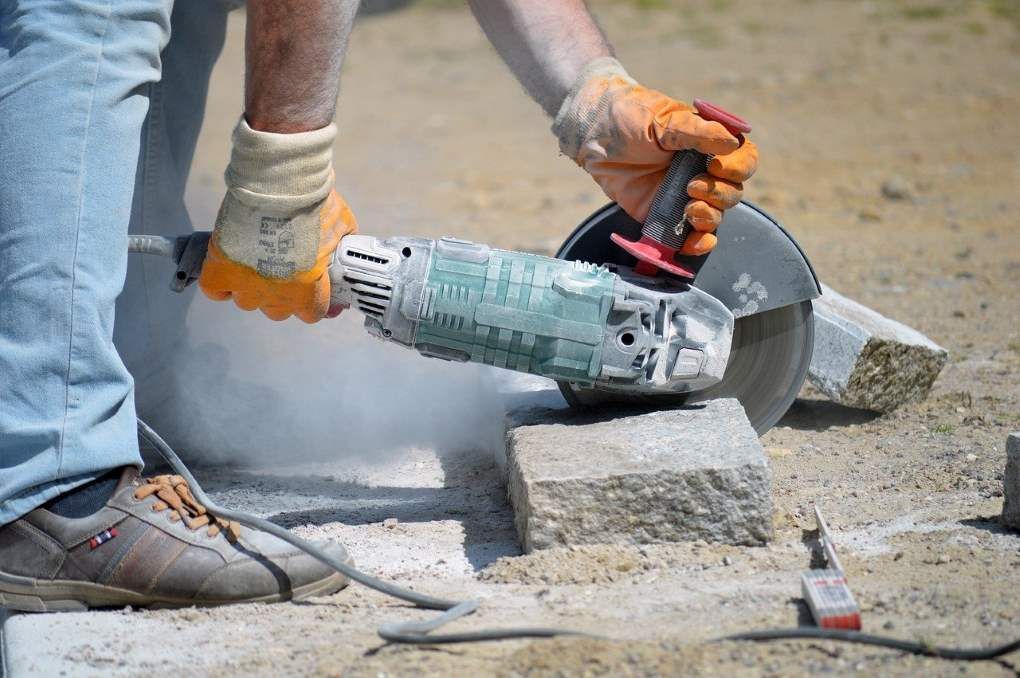
When tools like grinders, jackhammers, chainsaws, and impact drivers operate, they generate high-speed tremors that travel through the handles and into your hands and arms.
Those repeated micro-shocks can lead to:
- Nerve damage
- Circulatory issues
- Loss of grip strength
- Reduced sensitivity
- Chronic pain
Long-term exposure can result in Hand-Arm Vibration Syndrome (HAVS) —a serious and often irreversible condition that includes numbness, tingling, “white finger,” and reduced hand function.
There’s also whole-body vibration, which affects equipment operators in heavy machinery. Vibrations transmitted through seats and flooring can contribute to:
- Lower back pain
- Joint strain
- Spinal compression
- Chronic musculoskeletal disorders
Unlike cuts or burns, vibration injuries develop slowly—making them easier to ignore until it’s too late.
Low vs. High Frequency Vibrations: Two Different Risks
Not all vibrations behave the same way.
Low-Frequency Vibrations (1–31.5 Hz)
These are deep, heavy vibrations often produced by:
- Tractors
- Compactors
- Large drills
- Heavy construction equipment
Low-frequency vibration affects the entire upper body and spine. It is harder for the body to absorb and can contribute to long-term musculoskeletal strain.
High-Frequency Vibrations (200–1,600 Hz)
These are sharper, more localized vibrations produced by:
- Sanders
- Impact tools
- Grinders
- Rotary tools
High-frequency vibration primarily affects fingers and palms, increasing the risk of nerve damage and circulation issues.
Both types are dangerous with prolonged exposure—especially during full-shift tool use.
What Long-Term Exposure Looks Like
Vibration damage does not heal once established.
Early warning signs include:
- Tingling fingers
- Numbness
- Reduced grip strength
- Loss of coordination
- Increased sensitivity to cold
Advanced cases may develop into:
- Hand-Arm Vibration Syndrome (HAVS)
- Vibration-Induced White Finger
- Carpal Tunnel Syndrome
These conditions can permanently reduce dexterity and fine motor control.
You cannot “tough out” nerve damage.
Who’s Most at Risk?
Workers in vibration-heavy industries face the highest exposure risk, including:
- Construction
- Manufacturing
- Mining
- Forestry
- Agriculture
- Maintenance and repair
Risk levels depend on:
- Duration of tool use
- Vibration intensity
- Grip force
- Tool maintenance condition
One critical mistake is over-gripping tools. The tighter the grip, the more vibration transfers into the hand.
Vibration-Dampening Gloves: Do They Work?
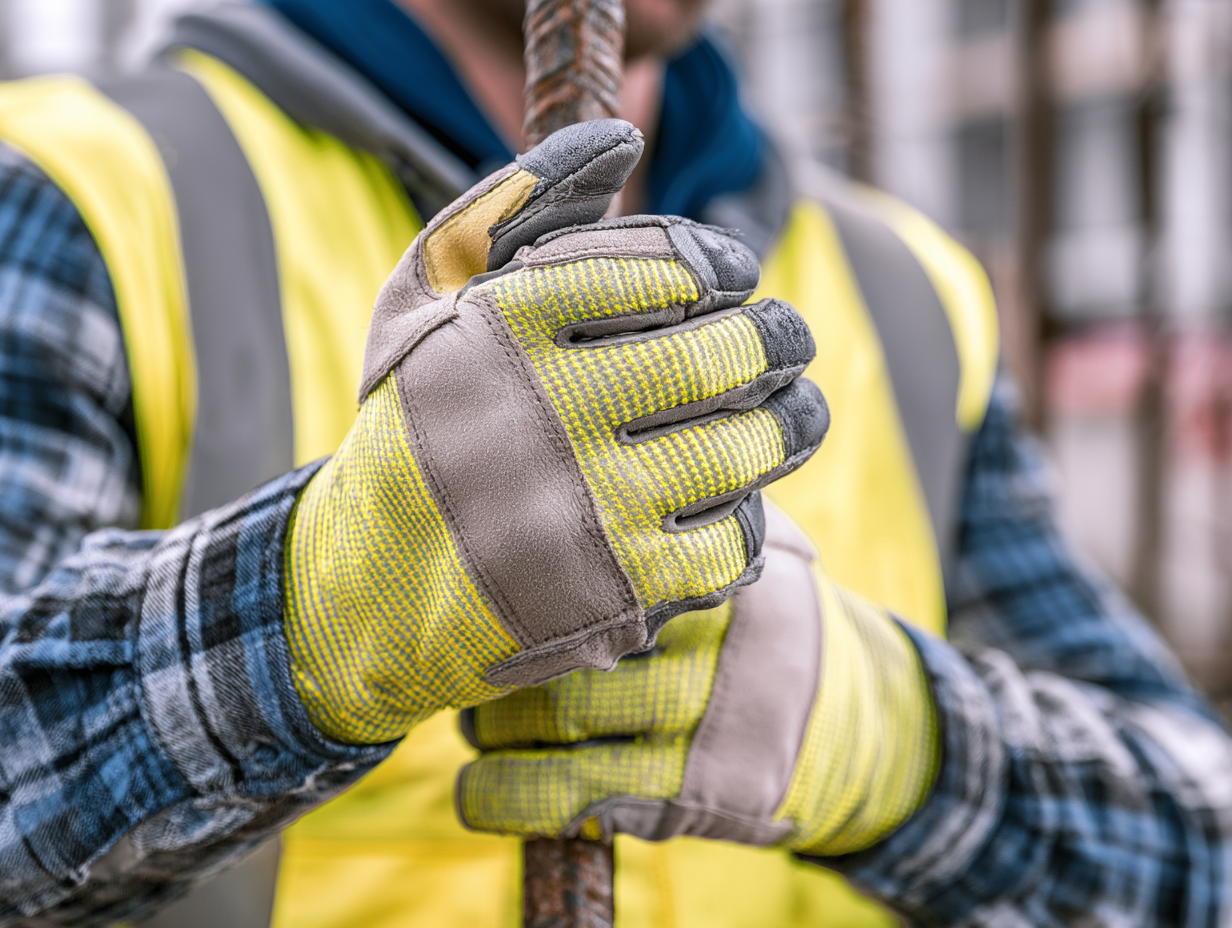
Vibration-dampening gloves can reduce some of the transmitted energy—but they are not a standalone solution.
High-quality anti-vibration gloves typically include:
- Engineered padding designed to absorb vibration
- Ergonomic fit to reduce grip strain
- Reinforced palms without excessive bulk
- Wrist support to stabilize the joint
They help reduce exposure but cannot eliminate it entirely. Think of them as part of a broader vibration control strategy—not a cure-all.
The Smarter Approach: Control Vibration at the Source
Personal protective equipment is the last line of defense. The most effective strategy is reducing vibration before it reaches the worker.
Best practices include:
- Rotating tasks to limit prolonged exposure
- Scheduling regular rest breaks
- Maintaining tools properly (dull bits increase vibration)
- Replacing worn bearings and loose components
- Training workers to recognize early symptoms
- Encouraging relaxed grip technique
- Stretching and mobility exercises between tasks
Small operational adjustments significantly reduce long-term risk.
The Bottom Line: Vibration Is Preventable
Vibration hazards are stealthy. They don’t spark, bleed, or explode—but they quietly degrade hand function over time.
The solution isn’t complicated:
- Maintain equipment
- Limit exposure time
- Use task rotation
- Provide properly fitted anti-vibration gloves
- Train workers to recognize symptoms early
When it comes to vibration, prevention is everything. Once nerve damage sets in, it doesn’t reverse.
Protect your hands today—so they still work tomorrow.