Cut-Resistant Sleeves: Closing the Protection Gap Between Glove and Arm
A glove and sleeve can meet neatly when your arm is straight, then separate when you reach into a bin or turn a part. That small gap matters when a sharp edge can pass across the wrist or forearm. Checking coverage while standing still can miss the moment when the arm is most exposed.
Cut-resistant sleeves can extend protection beyond the glove cuff. To choose the right combination, verify each item’s cut performance and check that the two stay in place through the movements the job requires.

Find Where the Wrist or Forearm Could Be Cut
Start by watching how the task is done. A worker transferring a formed metal part may grip it securely while a flange passes close to the inside of the forearm. Someone retrieving parts from a bin may expose the wrist as the elbow straightens and the sleeve pulls back. Note which areas could contact a sharp edge, and which movements bring them into contact.
Reduce the exposure where possible. Deburring parts, using a fixture or changing how materials are presented can keep hands and arms away from sharp edges. Our workplace glove selection guide explains how to assess these and other hazards before choosing PPE.
Check the Sleeve’s Own Cut Rating
ANSI/ISEA 105-2024 covers performance classifications for hand and arm protection, including gloves and sleeves. In its A1–A9 cut scale, a higher level indicates greater cut resistance under the specified laboratory test. A glove’s rating does not transfer to the sleeve, and overlapping materials do not add up to a new cut rating.
Ask for the specification or test documentation for the exact sleeve model. Confirm the standard and edition, the cut level and which material or area the result represents. A fibre name or a higher number on another piece of PPE cannot tell you what the sleeve will do. For more on how to read these classifications, see Cut-Resistant Gloves 101.
Cut resistance doesn’t make a sleeve cut-proof or establish protection against punctures, heat, chemicals or powered blades. Also assess entanglement separately: caught fabric or gloves can create a hazard around moving machinery. Follow the equipment’s safe operating procedure and any restrictions on glove or sleeve use.
Match Sleeve Length and Fit to the Job
Choose a length that covers the area identified in the hazard assessment through the full range of motion. A forearm sleeve may suit one task, while another may require coverage past the elbow. Use the manufacturer’s sizing guide and check width as well as length. An upper edge that slides down can leave the arm exposed, while fabric that bunches at the elbow can interfere with movement.
A thumbhole can help hold the lower end in place. An elastic top or stay-put band can help limit movement at the upper end. Try those features with the actual glove: material under the cuff should sit smoothly without pulling on the thumb, shifting the glove or interfering with grip. Check the combination again when workers switch to bulkier workwear or a different glove cuff. The same sleeve may sit differently with those layers.
Check Glove and Sleeve Overlap in Motion
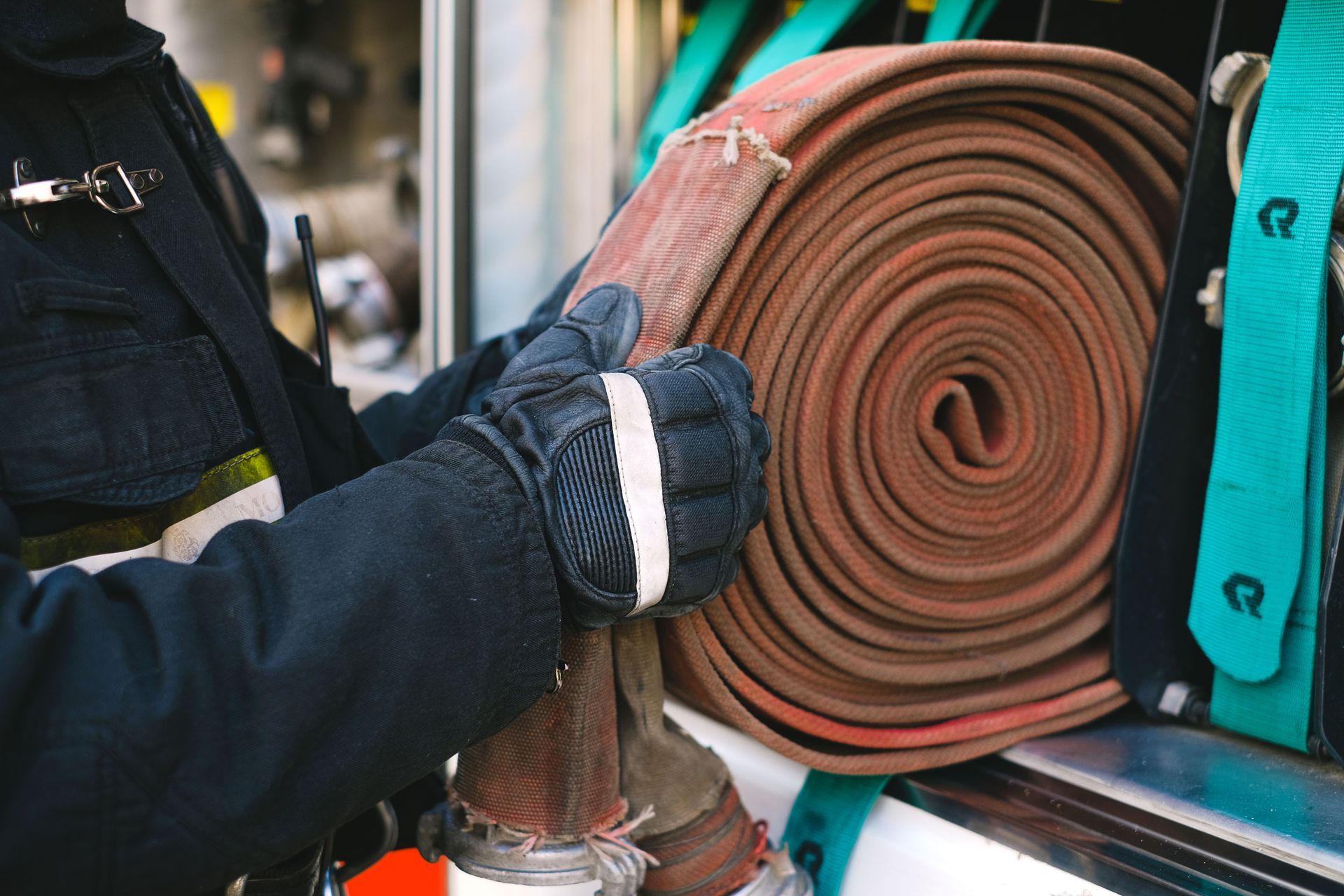
Fit the glove and sleeve together as the manufacturers direct. Check that the glove cuff and sleeve overlap where wrist coverage is needed. Then repeat the movements that could open a gap. Start in a controlled area with no exposure to sharp edges or moving equipment.
- Grip and turn. Use a safe mock-up or a tool handle to check whether the cuff pulls away as the hand closes or rotates.
- Bend and reach. Flex the wrist and elbow, then extend the arm as the task requires. Check both sides of the wrist and the upper edge of the sleeve.
- Repeat with normal workwear. Watch for gradual slipping, rolling or bunching. Ask the wearer whether the combination restricts movement or changes their grip.
If the wrist opens up or the sleeve shifts away from the area that needs protection, change the length, width, cuff or sleeve design and reassess before approving that combination. Check coverage again when equipment, tasks or clothing layers change. Replace damaged sleeves according to the manufacturer’s instructions.
Download the Glove-and-Sleeve Coverage Check to record how the cuff and sleeve fit, whether a wrist gap opens during movement, and what needs adjusting before work begins.
Choose the Glove and Sleeve Together
When comparing options in Stalwart Safety’s Sleeves range, start with the area that needs coverage, the required cut performance and the glove cuff the team already uses. The range includes tapered knit styles and options with thumbholes or upper retention features. Bring your task and fit requirements to the Stalwart team to discuss suitable options for a wear trial.